
Dry Ice for Food Processing and Cold Chain Shipping in the Hudson Valley
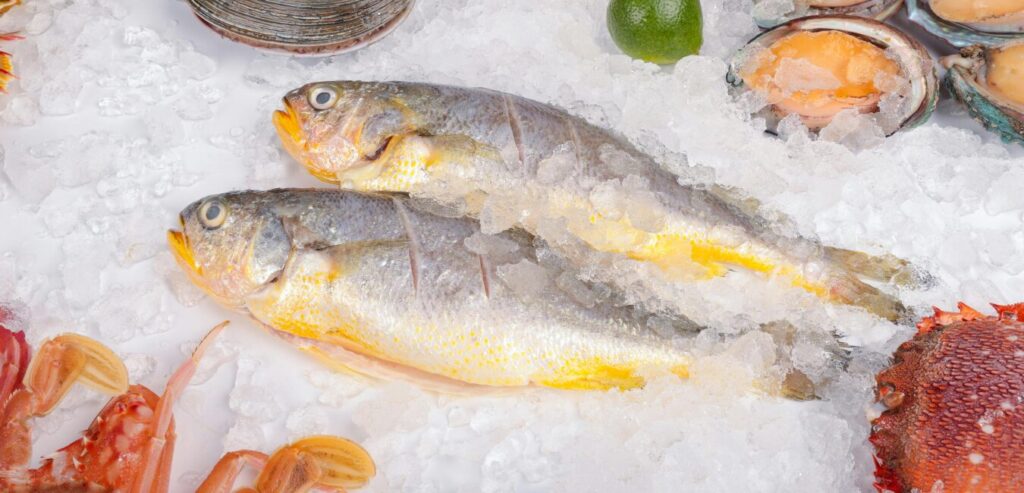
Dry ice keeps perishable food frozen at -109.3°F without producing any liquid as it sublimates. That makes it the standard cooling method for cold chain shipping, food processing holdovers, and emergency temperature maintenance when mechanical refrigeration fails. If you ship frozen food, process meat or seafood, or run a commercial kitchen that needs a backup for walk-in failures, dry ice for food shipping is not a luxury. It is an operational requirement.
CryoWeld manufactures dry ice on-site daily at our Poughkeepsie facility and supplies dry ice for food processors and Hudson Valley businesses. This post covers pellet sizes, packing rates, cold chain compliance, and how to order.
Why Dry Ice Works for Food Shipping
Wet ice melts into water that soaks packaging and damages labels. Gel packs lose holding temperature within hours. Dry ice sublimates directly from solid to gas:
- No liquid mess in the package
- Colder holding temperature (-109.3°F vs 32°F for wet ice)
- Lighter weight per BTU of cooling
- CO2 atmosphere inhibits bacterial growth during transit
For dry ice cold chain applications, the CO2 atmosphere is a secondary benefit many shippers overlook. The gas displaces oxygen around the food, slowing aerobic bacterial activity during transit.
Pellet Sizes for Food Applications
CryoWeld produces bulk dry ice pellets in two sizes. The right size depends on your application:
| Pellet Size | Dimensions | Best For |
|---|---|---|
| Rice pellets | ~1/8 inch diameter | Packing around irregular shapes, filling gaps in boxes, dry ice blasting, lab use |
| Standard pellets | ~1 inch diameter | Shipping containers, coolers, food processing holdovers, long-duration cooling |
Rice pellets have more surface area per pound, which means they sublimate faster but distribute cold more evenly around irregularly shaped items. Standard 1-inch bulk dry ice pellets last longer because the lower surface-area-to-mass ratio slows sublimation.
For shipping in insulated boxes, standard pellets are usually the better choice because duration matters more than even distribution. For packing frozen meals, ice cream, or small items where gaps between products need to stay cold, rice pellets fill the space more effectively.
How Much Dry Ice Do You Need
The amount depends on insulated container quality, ambient temperature, transit time, and how cold the food needs to stay. Here is a general packing guide:
| Transit Time | Insulated Foam Box | Insulated Corrugated Shipper |
|---|---|---|
| Overnight (12-18 hrs) | 5-8 lbs per cubic foot | 8-10 lbs per cubic foot |
| 2-day (24-48 hrs) | 10-15 lbs per cubic foot | 15-20 lbs per cubic foot |
| 3-day (48-72 hrs) | 15-25 lbs per cubic foot | 25-35 lbs per cubic foot |
Summer shipments and ground-level transit in hot weather push you toward the higher end of each range. Winter shipments in insulated boxes need less. Always pack more than you think you need. Running out of dry ice mid-transit means your cold chain breaks and the shipment is compromised.
For dry ice cold chain compliance, USDA and FDA guidelines require frozen foods to arrive at 0°F or below. Refrigerated items must stay at 40°F or below. Dry ice easily maintains frozen temperatures for the durations listed above when packed correctly.
Cold Chain Compliance for Food Processors
If you process, package, or ship perishable food, your dry ice cold chain practices need to meet USDA Food Safety and Inspection Service (FSIS) requirements and FDA Food Safety Modernization Act (FSMA) standards. The key requirements:
- Frozen products must maintain 0°F or below throughout transit
- Refrigerated products must stay at 40°F or below
- Temperature monitoring (data loggers or indicators) is recommended for shipments over 4 hours
- Packaging must prevent cross-contamination between the cooling agent and the food
Dry ice meets all of these requirements when packed properly. CryoWeld’s bulk dry ice pellets are manufactured from food-grade CO2 and are safe for contact with food packaging.
Packing Dry Ice with Food: Best Practices
- Place dry ice on top of food, not underneath (cold air sinks)
- Wrap in newspaper or kraft paper to slow sublimation
- Use containers with at least 1.5 inches of wall insulation for overnight, 2+ inches for multi-day
- Do not seal airtight. CO2 gas must escape, or pressure buildup damages the package
- Include a temperature indicator for regulated shipments
For dry ice for food processors, Hudson Valley operations shipping to New York City, Boston, or other regional markets, overnight and 2-day transit windows are the most common. CryoWeld can help you calculate the packing rate for your specific container and transit time.
Ordering Dry Ice from CryoWeld
CryoWeld manufactures dry ice fresh daily at our Poughkeepsie facility and sells by the pound with no minimum order. We produce both rice and standard 1-inch bulk dry ice pellets.
For dry ice for food processors in Hudson Valley operations, we offer walk-in purchases at both locations, delivery across Dutchess, Ulster, Orange, and Putnam counties, bulk orders for processors and distributors, and same-day availability.
Dry ice for food shipping works best when purchased as close to pack time as possible. Call ahead for bulk orders.
Call Poughkeepsie at (845) 473-3357 or Lake Katrine at (845) 336-8680, weekdays 8 to 5. Or visit cryoweld.com.
Frequently Asked Questions
Is dry ice safe to pack directly against food?
Dry ice is food-grade CO2 in solid form. It is safe for contact with food packaging. For direct contact with unwrapped food, wrap the dry ice in paper or place it in a separate bag within the container. The CO2 atmosphere it creates actually inhibits bacterial growth during transit.
How long does dry ice last during shipping?
In a well-insulated foam shipper, expect 5 to 8 pounds per cubic foot to last 12 to 18 hours. For 2-day transit, pack 10 to 15 pounds per cubic foot. Three-day shipments need 15 to 25 pounds per cubic foot. Higher ambient temperatures and thinner insulation increase the sublimation rate.
Does CryoWeld have a minimum order for dry ice?
No. CryoWeld sells dry ice by the pound with no minimum order. Whether you need 5 pounds for a cooler or 500 pounds for a production run, we manufacture it fresh daily and have it ready at our Poughkeepsie facility.
What is the difference between rice pellets and standard pellets for food shipping?
Rice pellets (~1/8 inch) fill gaps better and distribute cold more evenly around small or irregular items. Standard pellets (~1 inch) last longer because they sublimate more slowly. For most insulated box shipping, standard pellets give you more duration. For packing around individual frozen meals or small products, rice pellets conform to the shapes better.
Can dry ice maintain cold chain compliance for USDA shipments?
Yes. Dry ice holds temperatures well below the 0°F required for frozen food during transit. When packed at the rates listed in this post, it maintains frozen temperatures for 12 to 72 hours depending on insulation quality and ambient conditions. Include a temperature data logger for regulated shipments.
Does CryoWeld deliver dry ice to food processing facilities?
Yes. CryoWeld delivers across Dutchess, Ulster, Orange, and Putnam counties. For dry ice cold chain operations that need regular supply, we can set up a recurring delivery schedule. Call our Poughkeepsie location to arrange delivery for your facility.