POUGHKEEPSIE (845) 473-3357
LAKE KATRINE (845) 336-8680

Latest News
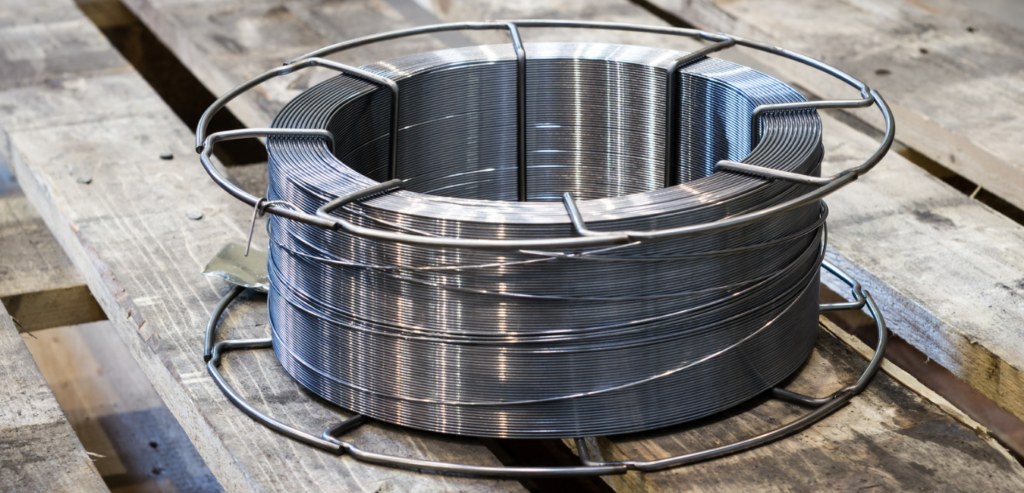
How to Choose Welding Wire for the Process and Material You’re Running
Picking the right welding wire comes down to three things: your process, your base metal, and the diameter your machine can handle. Get the match wrong, and you end up with porosity, poor fusion, or a bead that looks like it was laid down with a garden hose. Get it right, and the arc runs…
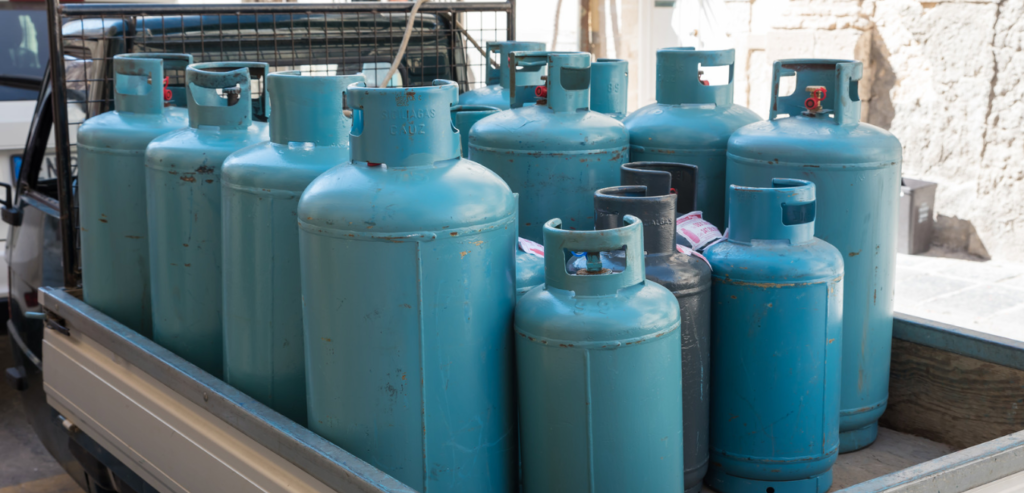
Forklift Propane Cylinder Handling and OSHA Compliance
A forklift propane tank is one of the most common fuel sources in warehouses, loading docks, and manufacturing floors. OSHA sets clear rules for how these cylinders are stored, changed, and inspected. Most of the requirements are straightforward, but gaps in documentation and handling are what get facilities cited. OSHA Forklift Propane Cylinder Handling Rules…
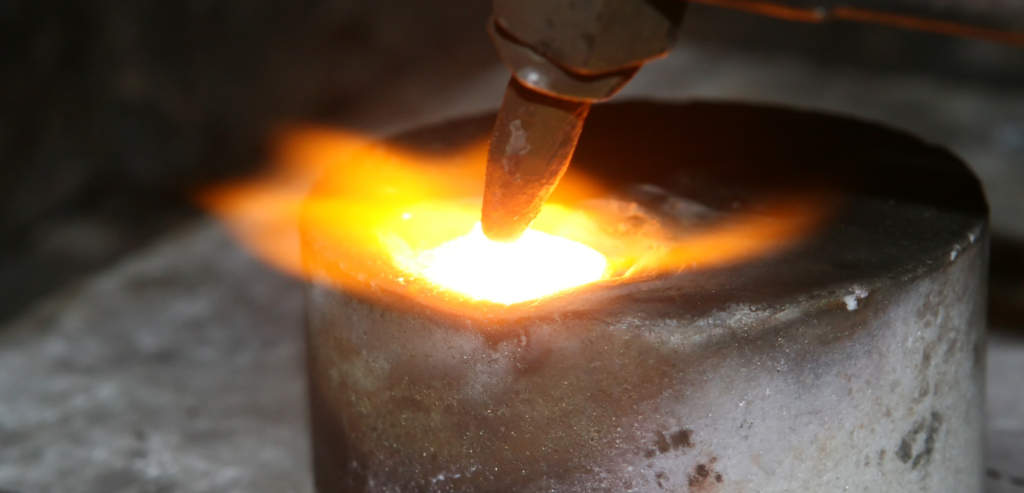
Flashback Arrestor Guide: What It Is and Which One You Need
A flashback arrestor is a safety device that stops flame from burning backward through your oxy-fuel equipment. Without one, a flashback can travel from the torch tip through the hoses, into the regulators, and reach the gas cylinders. The result ranges from a scorched hose to an explosion. Every oxy-fuel rig should have arrestors at…
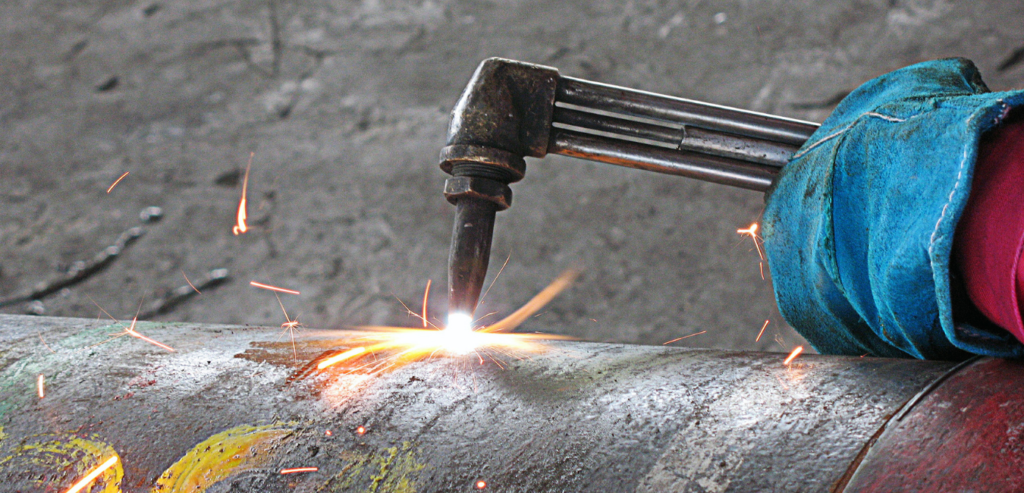
Oxy-Acetylene Cutting Torch Setup for Scrap Metal Work
An oxy-acetylene cutting torch uses a high-pressure oxygen jet to burn through steel after a fuel gas flame heats the metal to ignition temperature. It is one of the most practical tools for scrap metal work because it cuts thick plate, structural shapes, and rusted-out sections without electricity. With the right torch kit with tanks,…

Fire Extinguisher Inspection Requirements for Industrial and Shop Settings
Fire extinguisher inspection requirements vary by extinguisher type, building use, and local fire code. NFPA 10 sets the baseline with four layers of checks: monthly visual inspections, annual maintenance by a certified technician, internal examination on a multi-year cycle, and hydrostatic testing of the cylinder. Missing any layer puts your shop out of compliance and…
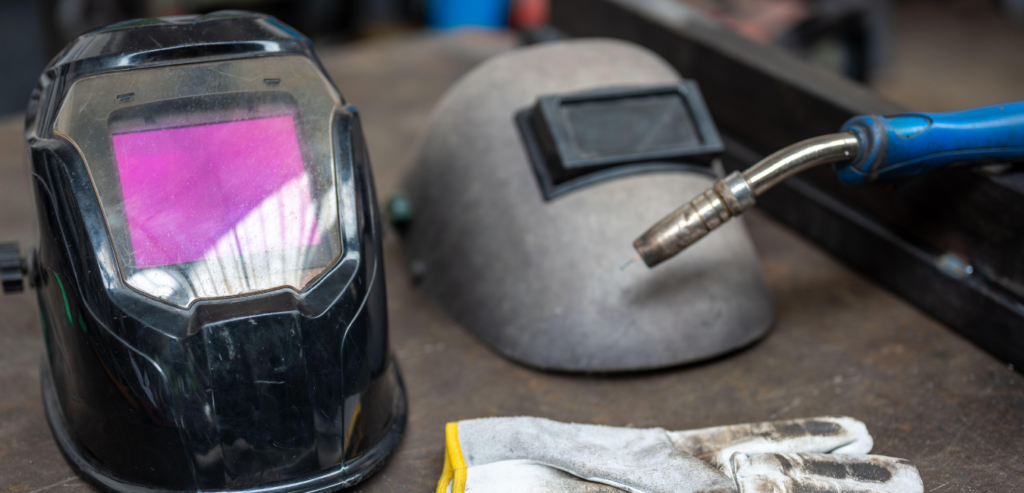
How to Choose a Welding Helmet: Auto-Darkening, Shade, and Fit
The best welding helmet for your shop depends on three things: the process you run, the shade range you need, and how the helmet sits on your head. Auto-darkening lenses, adjustable shade settings, and a solid fit separate a helmet that works all day from one that ends up in a drawer. How Auto-Darkening Helmets…
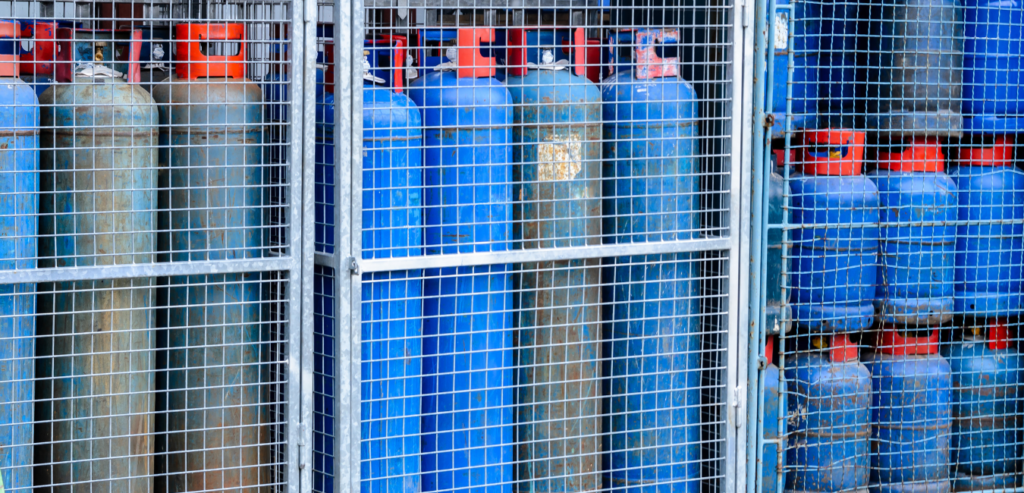
OSHA Gas Cylinder Storage Requirements: What Your Shop Needs to Know
OSHA gas cylinder storage requirements set the baseline for how welding shops, job sites, and fabrication facilities handle compressed gas. The rules cover everything from how cylinders are secured to how far apart oxygen and fuel gas must sit. Most of it is common sense once you read through it, but getting a detail wrong…
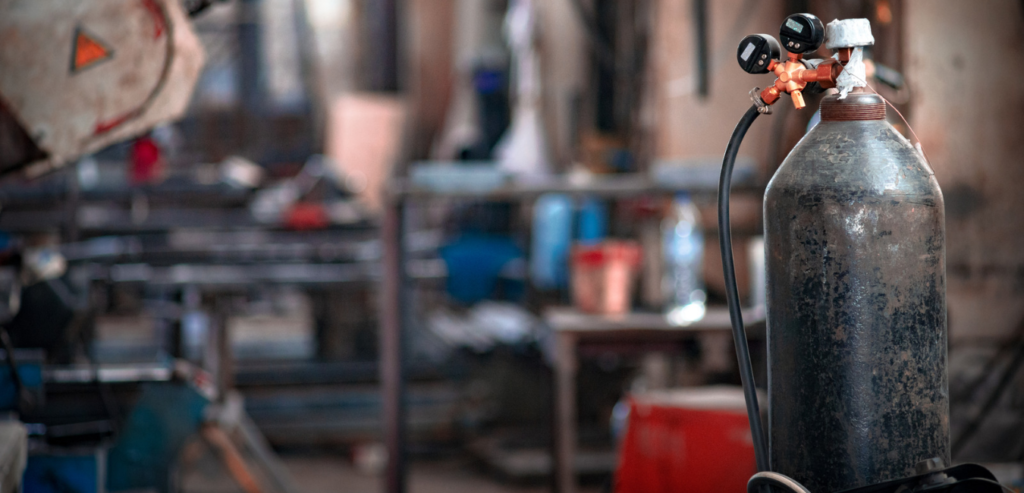
MIG Gas Mix Selection: 75/25 Argon-CO2 vs. Straight CO2
The 75/25 argon CO2 mix is the standard shielding gas for MIG welding mild steel. It gives you a smooth arc, low spatter, and a clean bead. Straight CO2 costs less per cylinder but produces more spatter and a rougher finish. The right choice depends on what you weld, how clean the bead needs to…
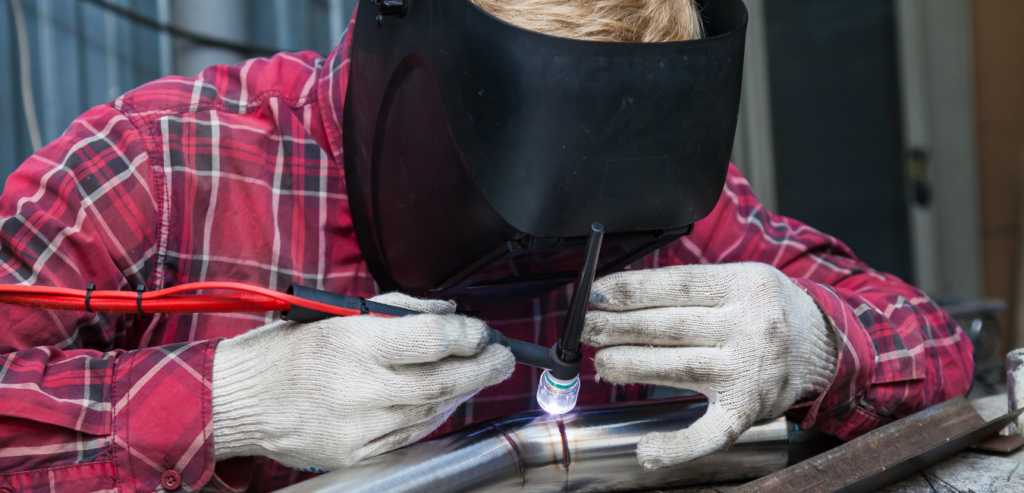
Nitrogen Purging Guide: Why Welders Flush Pipe Before They Weld It
Nitrogen purging keeps the back side of a pipe weld clean while you work the front. Without it, oxygen reacts with hot metal inside the joint and forms a layer of oxidation called sugaring. That buildup weakens the root, looks rough, and can cause a weld to fail inspection. A simple purge before striking an…
Copyright © 2026 Cryo Weld Corporation