
Posts by Edward Chase
Nitrogen Purging and Blanketing: An Industrial Buyer’s Guide
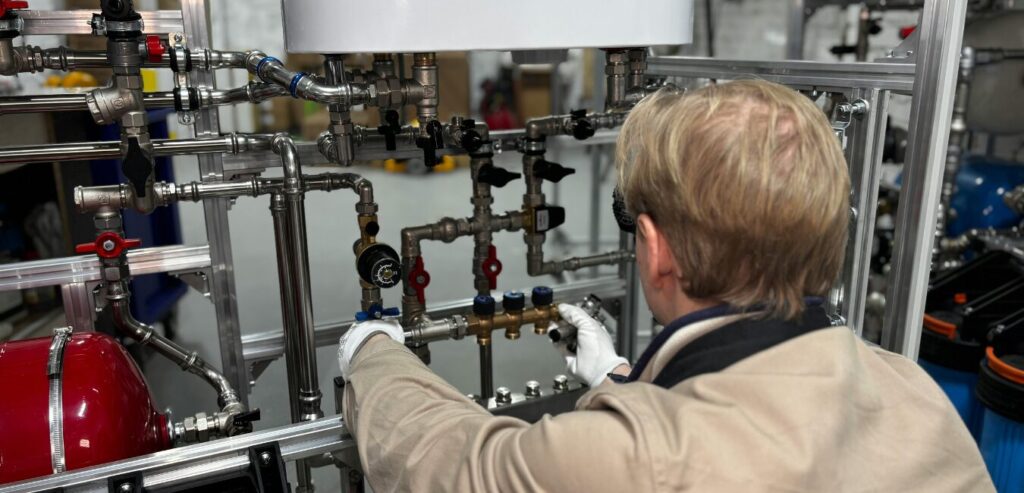
Cryo Weld Edward Chase Nitrogen is the workhorse of industrial inerting. It displaces oxygen, prevents oxidation, and does not react with the materials it protects. For pipe welders, it keeps the back side of a stainless joint from turning into a scale-covered mess. For storage tank operators, it keeps flammable vapors from reaching ignition conditions.…
Read MoreBest Propane and Specialty Gas Solutions for Hudson Valley Contractors

Contractors in the Hudson Valley need propane and specialty gases on schedule, at the job site, and in the right quantities. A construction crew waiting on fuel for a torpedo heater in January or a warehouse running out of forklift propane mid-shift does not have time to drive to a gas station and hope they…
Read MoreTIG Welding for Beginners: Setup, Settings, and Common Mistakes
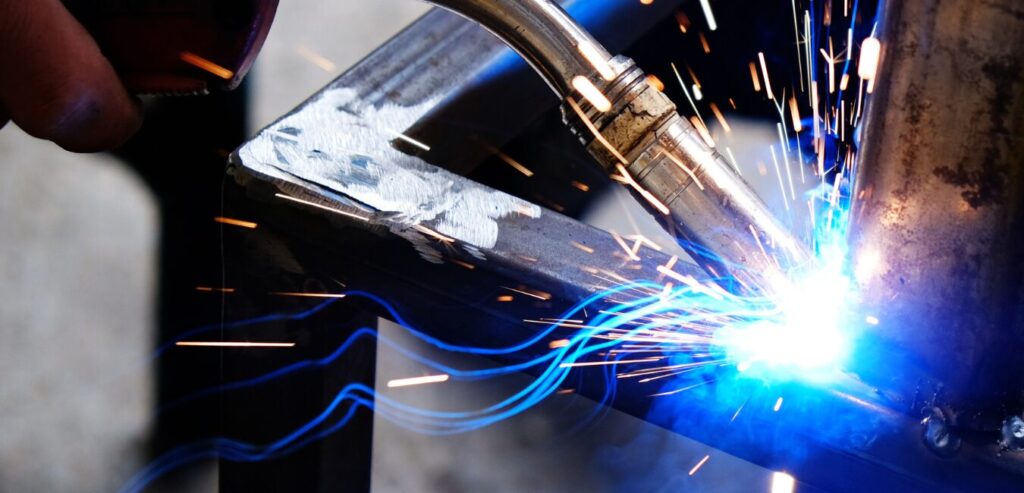
TIG welding produces the cleanest welds of any manual arc process, but only when the setup and settings are right. A wrong tungsten, a bad gas flow, or an amperage setting that is too high for the material will give you contaminated puddles, burn-through, and frustration before you lay your first decent bead. This TIG…
Read MoreDry Ice for Food Processing and Cold Chain Shipping in the Hudson Valley

Dry ice keeps perishable food frozen at -109.3°F without producing any liquid as it sublimates. That makes it the standard cooling method for cold chain shipping, food processing holdovers, and emergency temperature maintenance when mechanical refrigeration fails. If you ship frozen food, process meat or seafood, or run a commercial kitchen that needs a backup…
Read MoreGas Regulators and Flowmeters 101: How to Choose the Right Apparatus for Your Torch
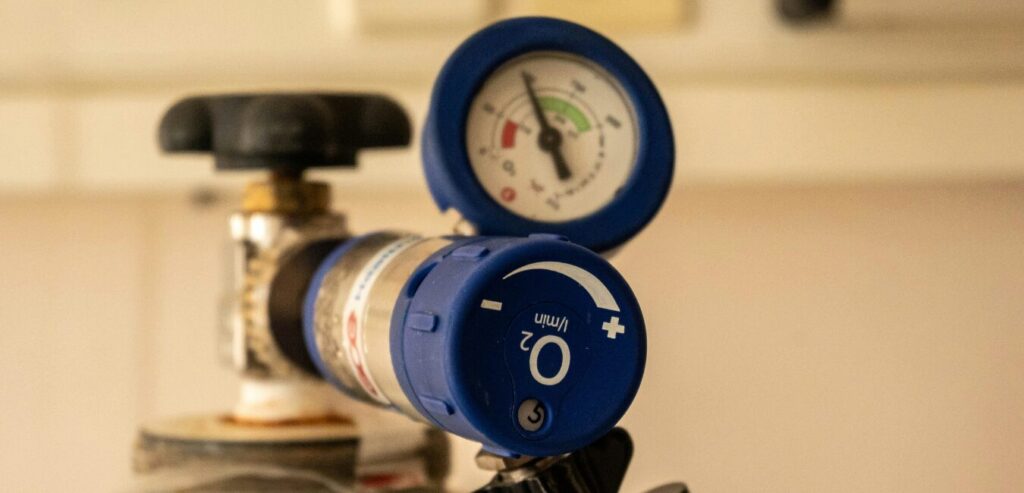
A gas regulator does one job: it takes high-pressure gas from a cylinder and delivers it at a controlled, lower pressure to your torch or welding machine. Get the wrong regulator, and you either starve the torch of gas or blow past the safe operating pressure of your equipment. Knowing how to choose a gas regulator saves…
Read MoreHow to Read a Fire Extinguisher Inspection Tag
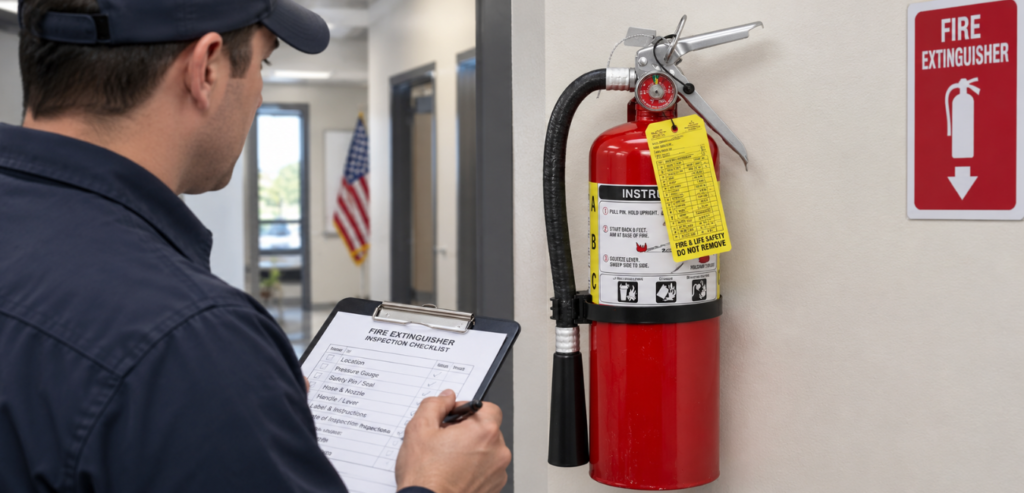
Every fire extinguisher in a commercial building has a small tag attached to the handle or pin. That tag is the official record of the extinguisher’s inspection history. If a fire marshal checks your extinguishers, the tag is the first thing they look at. Missing, out of date, or improperly filled out means a compliance…
Read MoreArgon vs. CO2 vs. Argon/CO2 Blends: Choosing the Right MIG Shielding Gas
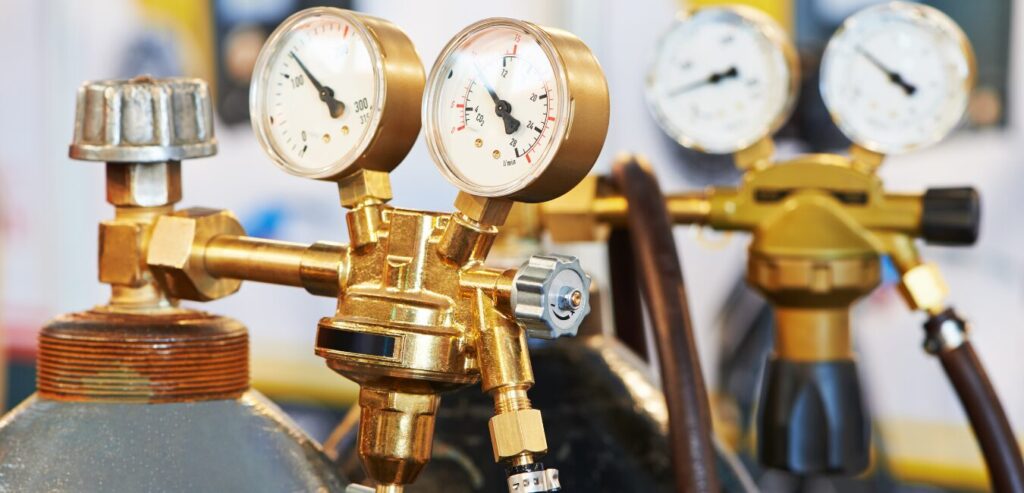
Shielding gas is not just something you hook up and forget. The gas you push through your MIG nozzle affects arc stability, spatter levels, penetration depth, bead appearance, and how the puddle behaves. Picking the wrong gas gives you problems that no amount of voltage and wire speed adjustment will fix. Understanding the argon vs…
Read MoreBest Welding Cables and Hoses for Heavy-Duty Shop Use
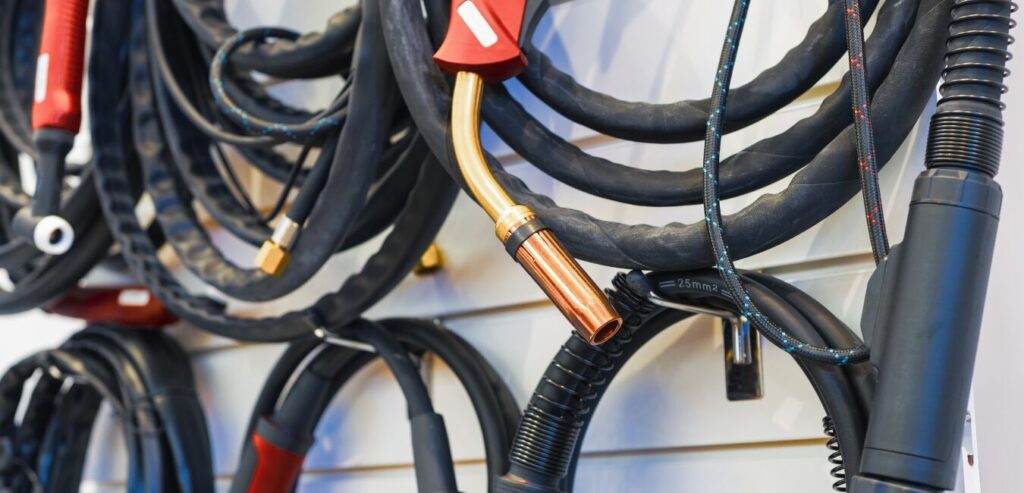
Cheap cables and hoses are the fastest way to turn a good welding machine into an unreliable one. An undersized cable drops voltage, overheats, and costs you arc quality before it costs you money on a replacement. A wrong-grade hose cracks, leaks gas, and puts your welds and your safety at risk. Picking the best…
Read MoreLiquid Nitrogen Delivery in the Hudson Valley: What Businesses Need to Know
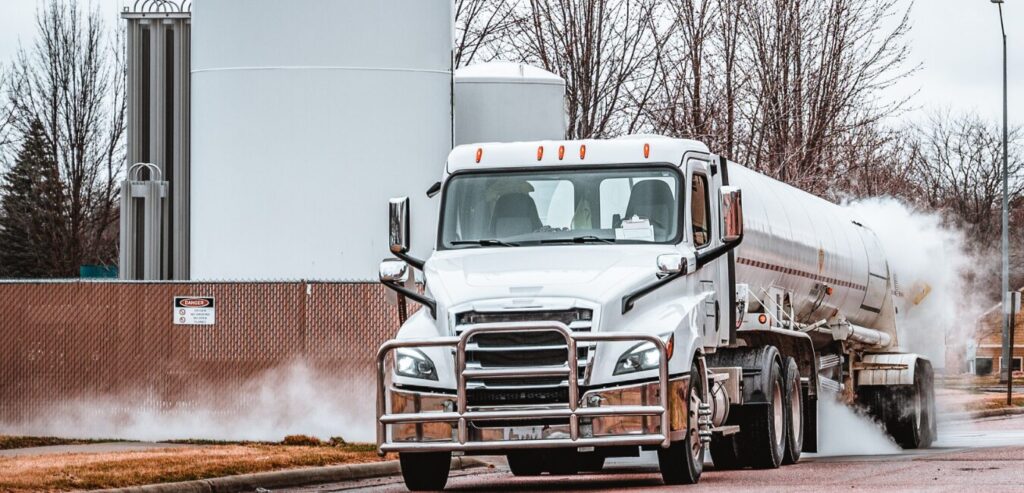
If your operation uses nitrogen for welding purge, food processing, medical applications, cryogenic cooling, or tank blanketing, the supply chain behind it matters as much as the gas itself. Running out of nitrogen mid-shift shuts down production. Overpaying per fill because you are on the wrong supply plan costs you money every month. Finding the…
Read MoreChoosing the Right Welding Machine: Stick vs. Engine-Driven vs. Multi-Process
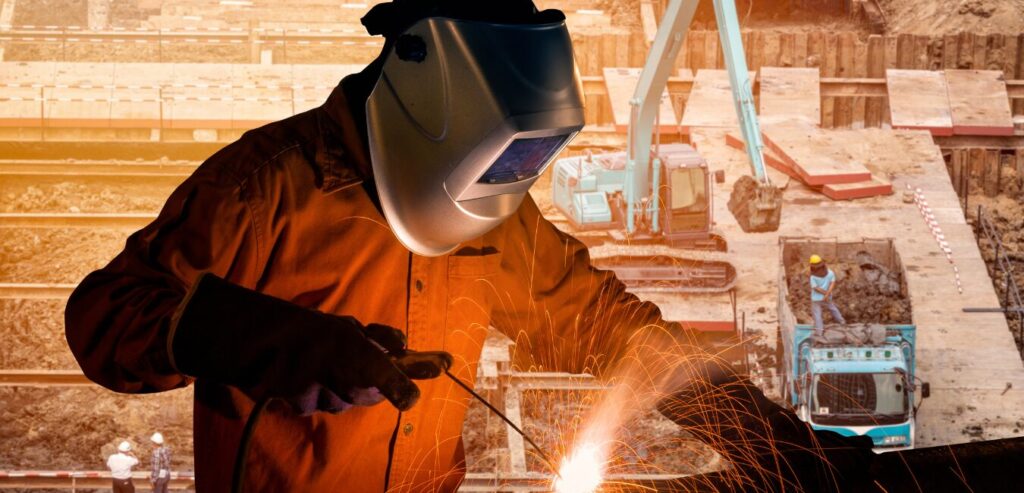
Buying a welding machine gets complicated when you need to work in places without power, run more than one process, or handle both shop and field jobs from the same truck. The stick vs engine-driven vs multi-process welder comparison is really three different questions: do you need portability, do you need versatility, or do you…
Read More