
Oxy-Acetylene Cutting Torch Setup for Scrap Metal Work
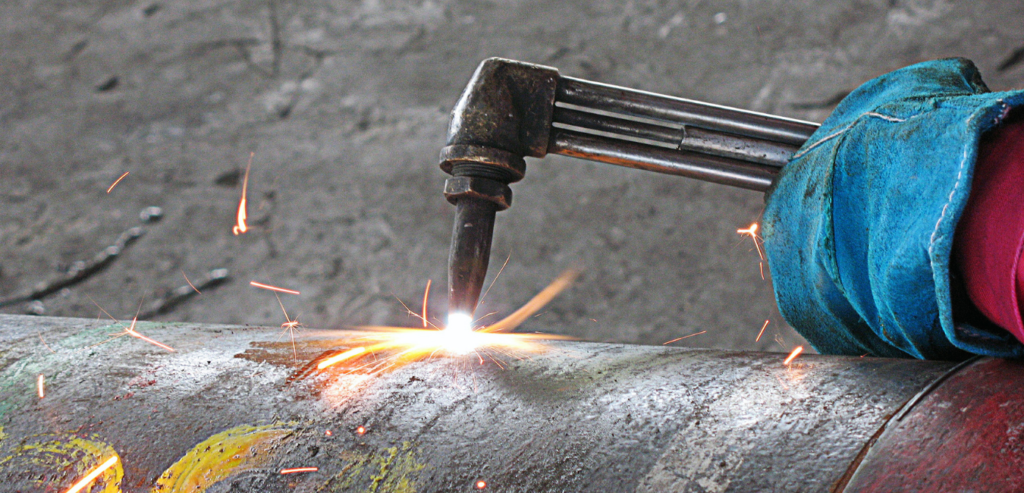
An oxy-acetylene cutting torch uses a high-pressure oxygen jet to burn through steel after a fuel gas flame heats the metal to ignition temperature. It is one of the most practical tools for scrap metal work because it cuts thick plate, structural shapes, and rusted-out sections without electricity. With the right torch kit with tanks, an oxy-acetylene cutting torch will outperform a grinder on anything over 1/4 inch.
What You Need in a Torch Kit With Tanks
A complete torch kit with tanks includes everything required to start cutting. Here is what should be in the box or on the cart before you strike a flame.
| Component | What It Does |
|---|---|
| Oxygen and acetylene cylinders | Supply cutting oxygen and fuel gas |
| Oxygen and acetylene regulators | Step cylinder pressure down to working pressure |
| Twin hose (green/red) | Connects regulators to the torch handle |
| Torch handle with cutting attachment | Holds the mixer, oxygen lever, and cutting tip |
| Cutting tips (assorted sizes) | Sized for different material thicknesses |
| Striker and flashback arrestors | Safe ignition and backfire prevention |
If you are buying a torch kit with tanks for the first time, make sure flashback arrestors are included on both regulators. Some economy kits skip them. Do not skip them. A flashback into an acetylene cylinder can cause an explosion.
CryoWeld carries Victor and Harris torch kits with tanks, plus individual components if you need a replacement cutting attachment or hose set. Our staff can match you to the right setup based on the work you are doing.
Choosing the Right Cutting Torch Tip Size for Scrap Steel
The cutting torch tip size for scrap steel depends on material thickness. The wrong tip wastes gas, produces a rough cut, and can stall partway through thick plate. Here is a guide based on Victor-style numbering. Other brands use similar sizing.
| Tip Size | Material Thickness | Oxygen Pressure (psi) | Acetylene Pressure (psi) |
|---|---|---|---|
| 000 | Up to 1/8 in. | 20 | 5 |
| 00 | 1/8 to 1/4 in. | 20 | 5 |
| 0 | 1/4 to 1/2 in. | 25 | 5 |
| 1 | 1/2 to 1 in. | 30 | 5 |
| 2 | 1 to 2 in. | 35 | 5 |
| 3 | 2 to 4 in. | 40 | 7 |
For most scrap metal work, tips 0 through 2 cover what you will run into. Picking the correct cutting torch tip size for scrap steel keeps gas usage down and kerf width consistent.
Acetylene pressure should never exceed 15 psi. Above that threshold, the gas becomes unstable.
How to Light and Adjust an Oxy-Acetylene Cutting Torch
Follow this sequence every time. Shortcuts create serious hazards.
- Secure both cylinders upright on a cart or chained to a wall. Acetylene must stay vertical.
- Crack each cylinder valve briefly to clear dust, then close it.
- Attach regulators. Oxygen uses a right-hand thread. Acetylene uses a left-hand thread (notched nut).
- Connect the twin hose. Green to oxygen, red to acetylene. Tighten all fittings.
- Open the oxygen cylinder valve fully. Open acetylene no more than one full turn.
- Set working pressures to match your tip chart. Acetylene is typically 5 psi.
- Open the acetylene valve on the torch handle about 1/4 turn. Light with a striker. Increase until the flame stops smoking.
- Slowly open the torch oxygen valve. Adjust until the inner cone is sharp and well-defined (neutral flame).
- Press the cutting oxygen lever. The flame should stay neutral. If it shifts, readjust.
Shut down in reverse: oxygen lever, torch oxygen, torch acetylene, then cylinder valves. Bleed both lines after closing the cylinders.
Cutting Technique for Scrap Steel
Hold the torch so the preheat flames sit about 1/16 to 1/8 inch above the steel, with the tip perpendicular to the plate.
Heat one spot until the steel glows bright orange, then press the cutting oxygen lever steadily. Move at a speed that keeps the cut going. Too fast and you lose the kerf. Too slow and you waste gas.
Start from an edge when possible. Piercing the middle of a plate blows slag upward. Scrap steel often has paint, rust, or galvanized coatings. Strip these off the cut line first because zinc from galvanized steel produces dangerous fumes.
Safety for Oxy-Acetylene Cutting on Scrap Jobs
Scrap jobs create more hazards than shop work. Material is unpredictable, surfaces are contaminated, and the area is often uncontrolled.
- Shade 5 cutting goggles or safety glasses. Full face shield for overhead cuts.
- Flame-resistant jacket, leather gloves, steel-toe boots. Molten slag travels.
- A fire extinguisher rated for Class B and C fires within arm’s reach.
- Clear flammable material for at least 35 feet. On a scrap job, that means rags, cardboard, pallets, and dry grass.
- Never cut a sealed drum, tank, or pipe. Verify it is empty, cleaned, and vented first. Sealed containers explode.
Where to Get Oxy-Acetylene Cutting Supplies in the Hudson Valley
Whether you need a complete torch kit with tanks or a replacement tip sized for your next scrap job, CryoWeld stocks Victor and Harris cutting equipment, oxygen and acetylene cylinders, and the safety gear to run an oxy-acetylene cutting torch safely.
We have been supplying welders, fabricators, and scrap operations across Dutchess, Ulster, Orange, and Putnam counties for over 30 years. Stop by our Poughkeepsie or Lake Katrine location. Call Poughkeepsie at (845) 473-3357 or Lake Katrine at (845) 336-8680, weekdays 8 to 5. Or visit cryoweld.com.
Frequently Asked Questions
What gas pressures should I use for oxy-acetylene cutting?
Acetylene working pressure is typically 5 to 8 psi. Never exceed 15 psi. Oxygen pressure varies by tip size and thickness, typically 20 to 50 psi. Follow the chart for your specific tip.
Can I use propane instead of acetylene for cutting steel?
Propane works for heating and some cutting, but it does not produce the concentrated preheat flame that acetylene does. Acetylene reaches a higher flame temperature and heats steel to cutting temperature faster, making it the standard for scrap work.
How do I know if my cutting tip is the right size?
If the preheat takes too long, the tip may be too small. If the cut is excessively wide or hard to control, it may be too large. Match tip to thickness using the manufacturer’s chart and keep two or three sizes on your cart.
What causes a cutting torch to pop or backfire?
A dirty tip, a clogged orifice, or touching the tip to the work surface are the most common causes. Overheating from prolonged use also causes popping. Clean the tip with the correct size tip cleaner, not a drill bit. Frequent backfires point to damaged seals or a failing flashback arrestor.
Is oxy-acetylene cutting safe on painted or coated metal?
Cutting through paint, primer, or galvanized coatings releases toxic fumes, including zinc oxide and lead compounds. Grind or strip coatings from the cut line before lighting the torch and wear respiratory protection.
Do I need a fire watch after cutting scrap steel?
Yes. OSHA and most local fire codes require a fire watch for at least 30 minutes after hot work. Slag and sparks smolder in hidden spots. In a scrap yard, combustible material is everywhere, so a fire extinguisher and a person watching the area are required.