
Forklift Propane Cylinder Handling and OSHA Compliance
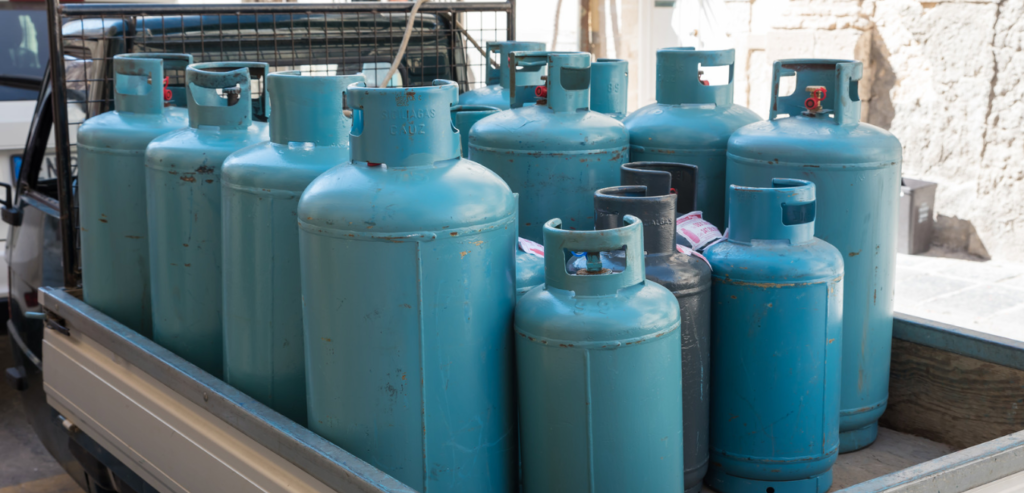
A forklift propane tank is one of the most common fuel sources in warehouses, loading docks, and manufacturing floors. OSHA sets clear rules for how these cylinders are stored, changed, and inspected. Most of the requirements are straightforward, but gaps in documentation and handling are what get facilities cited.
OSHA Forklift Propane Cylinder Handling Rules
Two OSHA standards cover most of what applies to propane-powered forklifts. 29 CFR 1910.110 governs the storage and handling of liquefied petroleum gases, including propane cylinders used in industrial trucks. 29 CFR 1910.178 covers powered industrial truck operation, including operator training and evaluation.
Between the two, the main requirements are:
- Store cylinders upright in a ventilated area away from ignition sources
- Separate full and empty cylinders and mark them clearly
- Train all operators on propane-specific procedures before they handle equipment
- Conduct pre-shift inspections that include the propane system
- Document training, inspections, and maintenance in writing
The documentation piece is where most facilities fall short. Verbal assurance of compliance carries no weight during an OSHA audit. Written records are the proof.
How to Store Forklift Propane Tanks on Site
OSHA 1910.110 sets specific rules for LP gas cylinder storage. Cylinders must be stored upright and secured so they cannot tip or fall. The storage area needs adequate ventilation and must sit away from open flames, heat sources, and electrical panels.
Full and empty cylinders should be stored separately and clearly marked. Mixing them wastes time and creates confusion during busy shifts. Use signs, colored tags, or designated racks to keep them sorted.
Indoor storage comes with additional limits based on total water capacity. Most facilities with a moderate fleet can store a reasonable number of cylinders indoors as long as the area meets ventilation and separation requirements. If you run a larger operation, check whether your indoor counts exceed the thresholds in 1910.110. Your local fire marshal may enforce additional limits on top of the federal standard.
A forklift propane tank that gets struck by passing traffic or left near an exit route creates a bigger problem than most operators expect. Keep storage racks clear of vehicle lanes and away from doorways.
Changing a Forklift Propane Tank Safely
Cylinder changes are where most propane incidents happen. A few basic steps prevent the majority of problems.
- Turn the engine off before disconnecting the cylinder.
- Close the cylinder valve and let the engine burn off residual fuel in the line.
- Then disconnect the fitting.
- Do this in a well-ventilated area, away from other workers and ignition sources.
Liquid propane sits at around minus 44 degrees Fahrenheit inside the cylinder. Contact with skin causes frostbite in seconds. Operators need proper safety gear for the job: gloves rated for cold contact and eye protection at minimum. Flame-retardant clothing adds another layer of protection where propane is handled regularly.
After connecting the new cylinder, check fittings for leaks. A soapy water test on the connection point is fast and reliable. If you smell the rotten-egg odorant added to propane, shut the valve and ventilate the area before investigating further.
Inspection and Training Requirements
OSHA 1910.178 requires that every forklift operator be trained and evaluated by a competent person before operating. That training must cover propane-specific procedures: how to change a cylinder, what to do if a leak is detected, and how to conduct a pre-shift check of the fuel system.
Pre-shift inspections should include the propane system, not just the truck’s lift and drive components. Check hoses for cracks, wear, and secure connections. Look at the cylinder mount to confirm it holds the cylinder firmly. Test the shutoff valve. If anything looks damaged or does not work properly, pull the truck from service until the issue is fixed.
The records matter as much as the work itself. Keep written training logs, signed inspection checklists, and dated maintenance records. These are your evidence of compliance during an inspection. Without them, you are relying on memory, and inspectors do not accept that.
Refresher training is required at least every three years, or sooner if an operator is involved in an incident, observed handling equipment unsafely, or assigned to a different truck type.
Getting the Right Propane for Your Forklift Fleet in the Hudson Valley
CryoWeld provides propane cylinder exchange and bulk delivery for forklift operations across the Hudson Valley. We also carry fire extinguishers rated for LP gas hazards and can set up a cylinder rotation that keeps your warehouse running without stockpiling more than you need.
We serve warehouses, fabricators, and contractors across Dutchess, Ulster, Orange, Putnam, Columbia, and Greene counties. Call our Poughkeepsie team at (845) 473-3357 or Lake Katrine at (845) 336-8680, weekdays 8 to 5. Or visit cryoweld.com.
Frequently Asked Questions
How often should the propane system on a forklift be inspected?
Operators should check the propane system, hoses, and connections as part of every pre-shift inspection. Pull any truck with a damaged hose, cracked fitting, or leaking valve from service immediately. Full documented inspections should follow the schedule set by your maintenance program.
Can propane cylinders for forklifts be stored indoors?
Yes, as long as the storage area meets OSHA 1910.110 requirements. That means upright storage, proper ventilation, separation from ignition sources, and compliance with indoor capacity limits based on total water capacity. Your local fire code may add restrictions beyond the federal standard.
What PPE is required when changing a forklift propane tank?
At minimum, wear gloves rated for cold contact and eye protection. Liquid propane is stored at around minus 44 degrees Fahrenheit and causes frostbite on contact. Flame-retardant clothing is recommended for anyone who handles propane cylinders regularly.
Do full and empty propane cylinders need separate storage?
OSHA requires that full and empty cylinders be clearly identified. Best practice is to store them in separate areas or on separate racks with clear labels. Mixing them leads to wasted time and creates the risk of putting an empty cylinder on a truck that needs to keep running.
Who is allowed to change a propane cylinder on a forklift?
Only trained and evaluated operators. OSHA 1910.178 requires that anyone who operates a powered industrial truck, including changing its fuel cylinder, be trained by a competent person. That training must cover propane-specific handling procedures and be documented in writing.