
Posts by Edward Chase
Gas Cylinder Exchange vs. Refill: Which Saves You More?
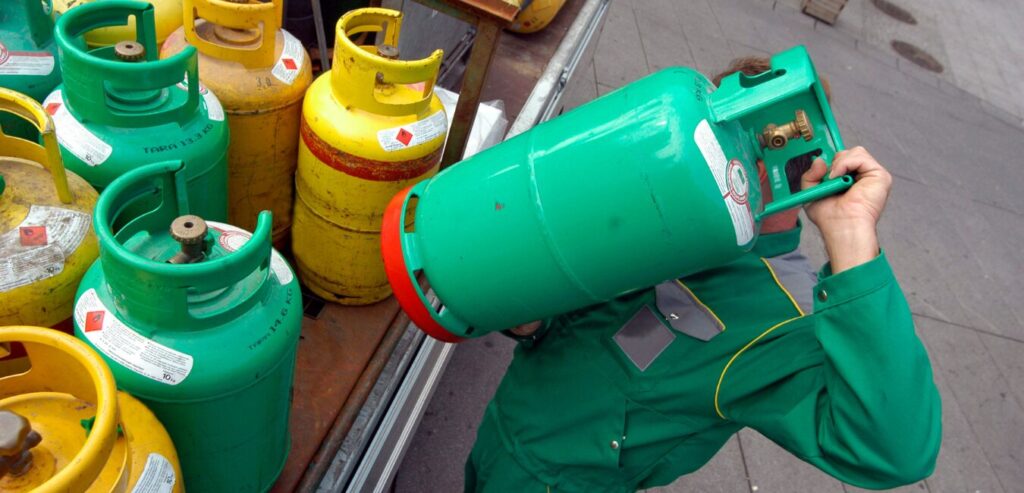
Cryo Weld Edward Chase If you use welding gas, CO2, nitrogen, helium, or any other compressed gas on a regular basis, you have two options for keeping your supply going: exchange your empty cylinder for a full one, or get your own cylinder refilled. The gas cylinder exchange vs refill decision affects your cost per…
Read MoreABC vs. CO2 vs. Class K Fire Extinguishers: How to Choose the Right One
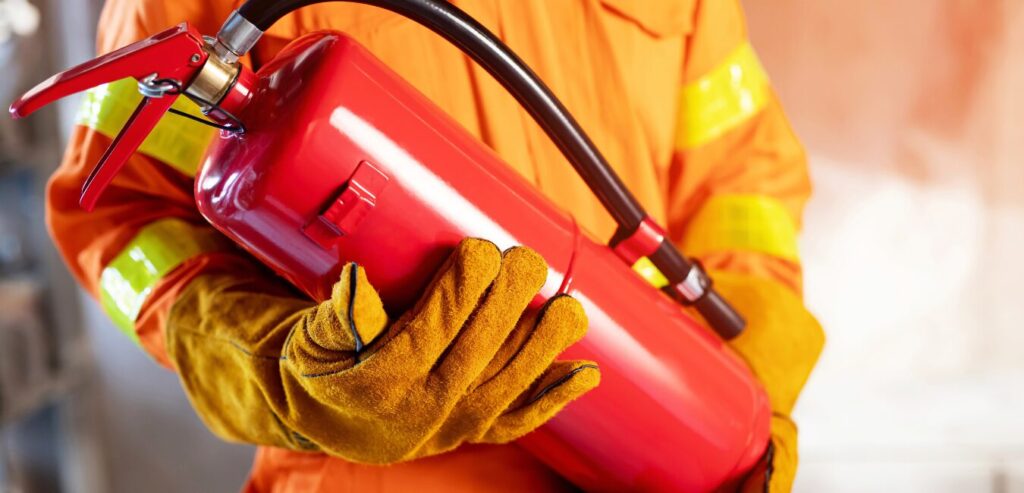
Not every fire extinguisher works on every fire. Using the wrong type can spread a grease fire, damage sensitive electronics, or fail to put out an ordinary combustible fire altogether. If you have ever stood in front of a wall of red cylinders and wondered which fire extinguisher you need, the answer depends on what…
Read MoreWhat Is Plasma Cutting and How It Differs from a Cutting Torch
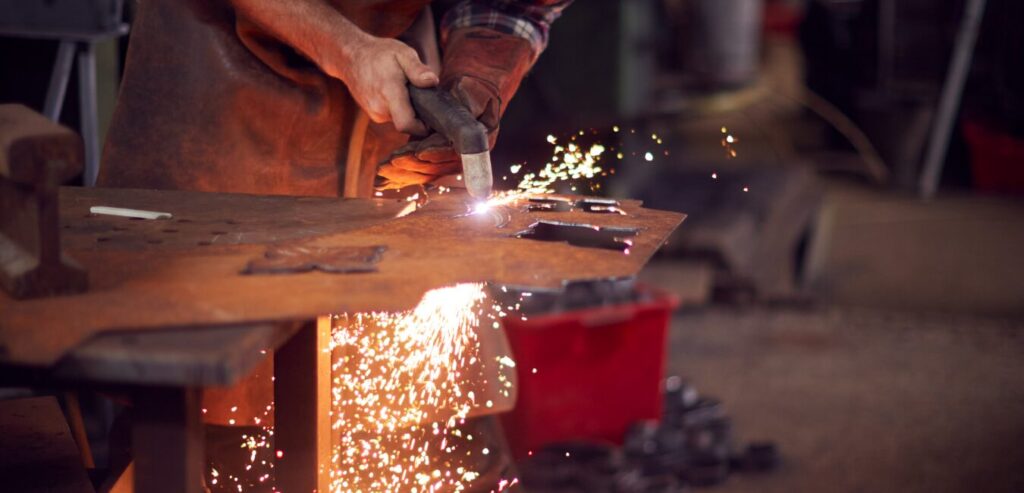
If you cut metal for a living or even occasionally, you have two main options sitting on the shelf: a plasma cutter and an oxy-acetylene cutting torch. Both get through steel. But they work differently, handle different materials, and cost differently to run. Understanding the plasma cutting basics and how they compare to oxy-fuel helps…
Read MoreWhat Welding Fumes Actually Contain and Which Metals Produce the Most Dangerous Byproducts
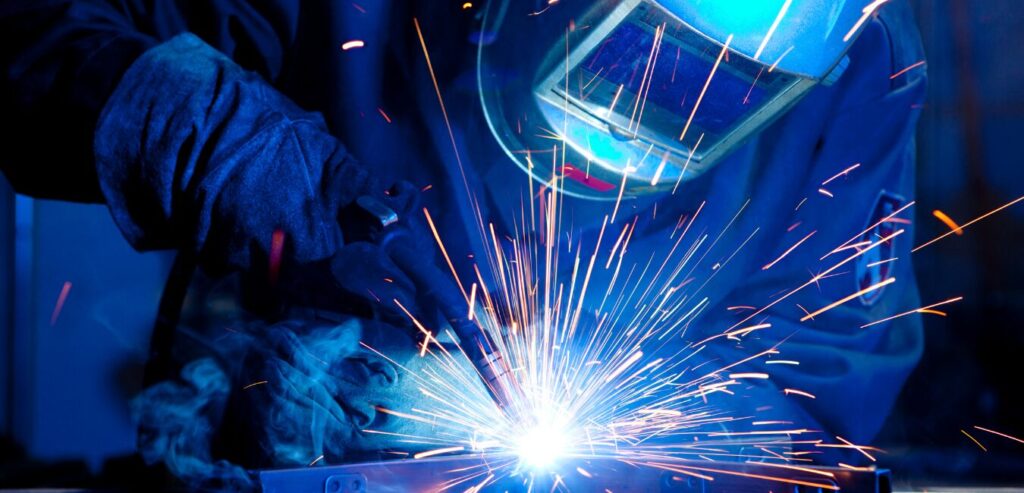
Every welding process produces fumes. The question is not whether you are breathing them but what is in them, because the welding fumes health risks vary enormously depending on the base metal, filler wire, coatings, and process. Welding mild steel produces fumes that are classified as a Group 1 carcinogen. Welding stainless steel adds hexavalent…
Read MoreWhat Causes Welding Spatter and the Five Adjustments That Reduce It
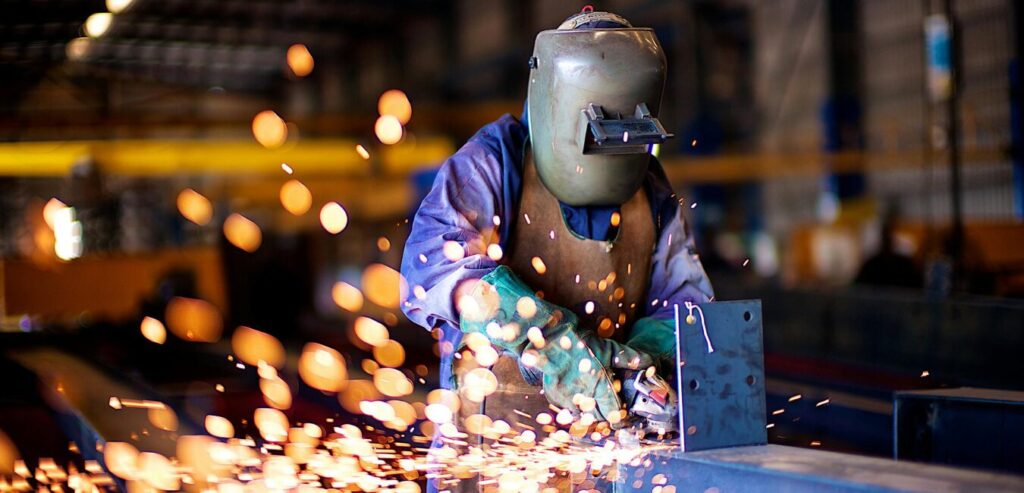
Some spatter is normal in MIG and flux core welding. Small droplets of molten metal fly off the arc and land on the workpiece, the table, and you. But when spatter goes from a light dusting to a constant shower of hot metal, something is wrong with your setup. Understanding what causes welding spatter is…
Read MoreWhat Is Arc Eye: How Flash Burn Happens and How Long It Takes to Recover
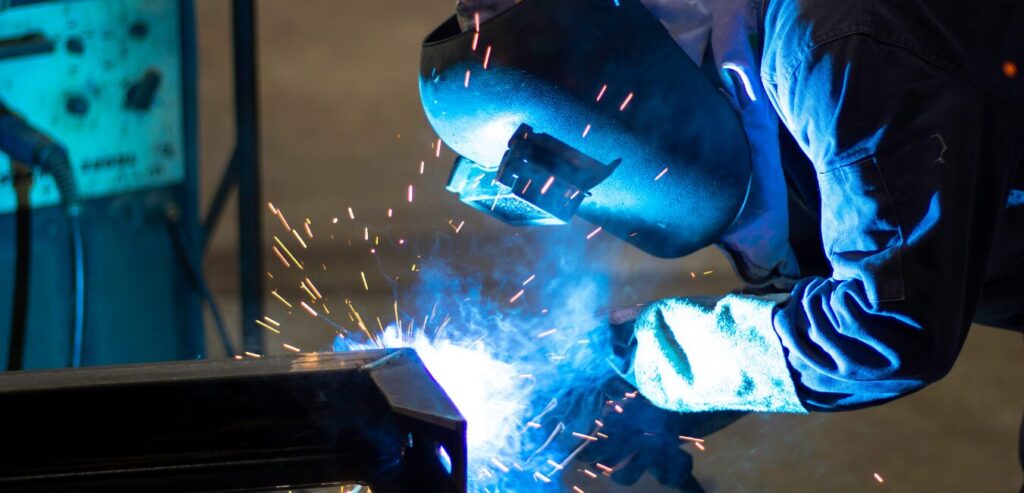
Arc eye is the most common welding injury that does not involve metal. One brief look at an unshielded arc, even from across the shop, can burn the surface of your corneas. The pain does not start immediately. It builds over hours. By midnight after a day of accidental flashes, it can feel like sand…
Read MoreTIG Welding Explained for Beginners: The Torch, the Filler Rod, and the Foot Pedal
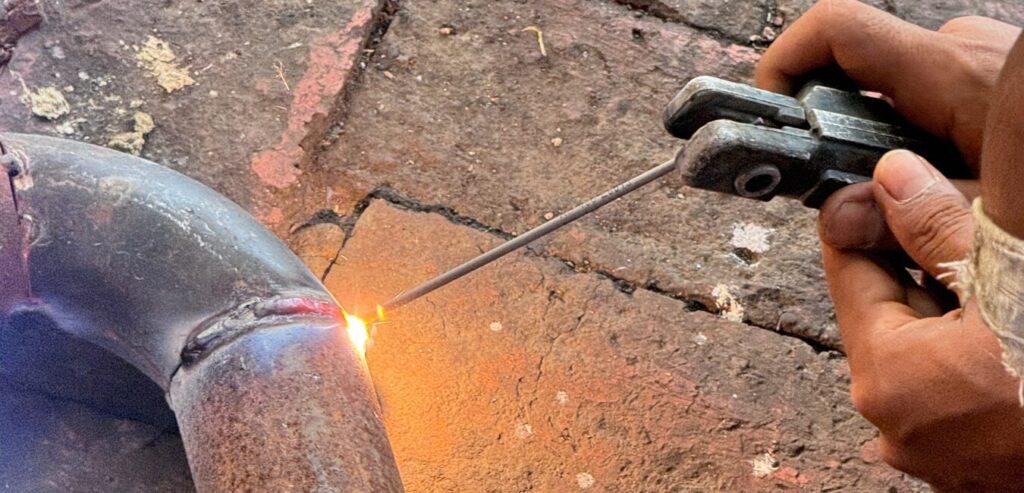
TIG welding has a reputation for being the hardest arc welding process to learn. That reputation is earned. You control the torch angle with one hand, feed a filler rod with the other, and regulate amperage with a foot pedal, all while watching a puddle the size of a pencil eraser. But TIG also produces…
Read MoreWelding Gloves by Process: Why TIG Gloves and MIG Gloves Are Not Interchangeable
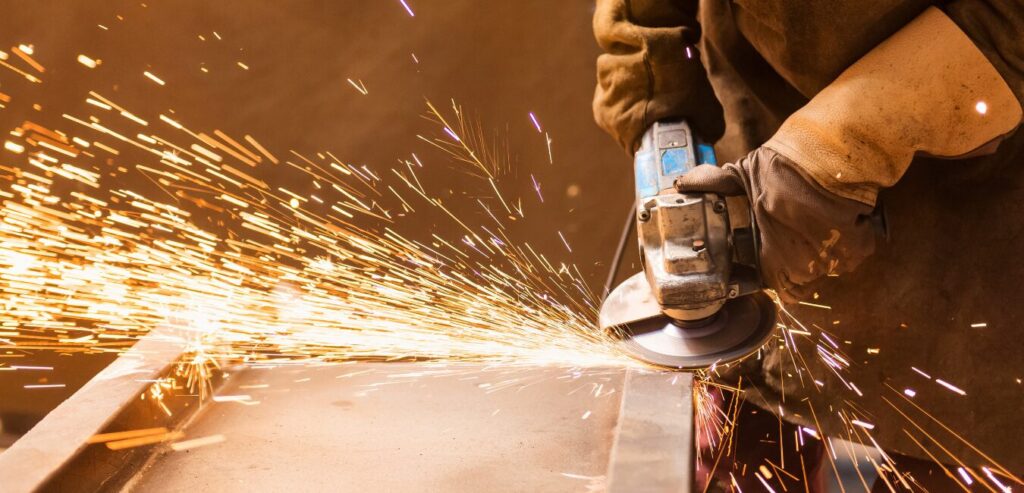
A TIG glove and a MIG glove look similar on the shelf, but they are designed for completely different demands. TIG welding needs finger control to feed a filler rod and manipulate a torch at close range. MIG welding generates more heat and spatter that the glove needs to block. Using a MIG glove for…
Read MoreWhat Is Backstepping in Welding and When to Use It to Control Distortion
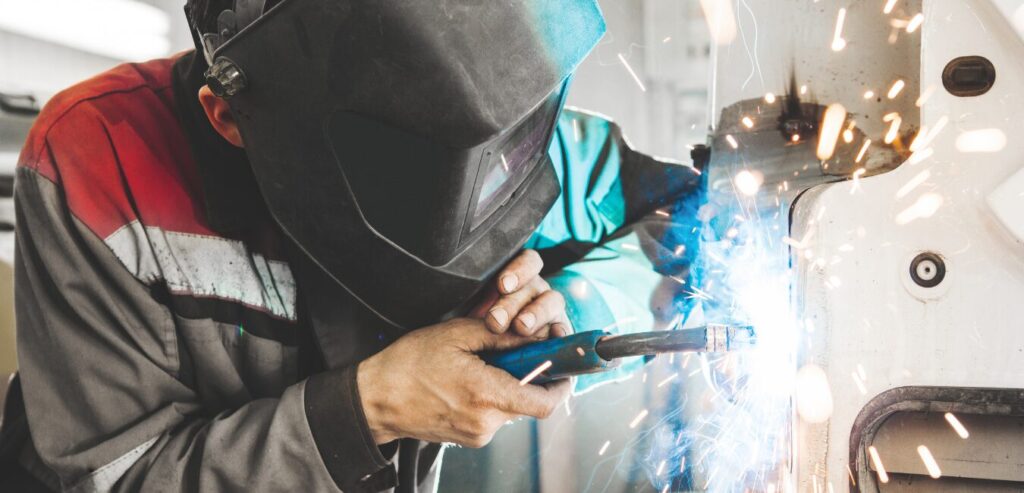
If you have ever finished a long weld and watched the metal bow, twist, or pull out of alignment, you have experienced distortion. It happens because metal expands when heated and contracts when cooled, and that expansion is never perfectly even across a joint. The backstepping welding technique is one of the oldest and most…
Read MoreWhat OSHA Requires for Welding Safety in a Commercial Shop
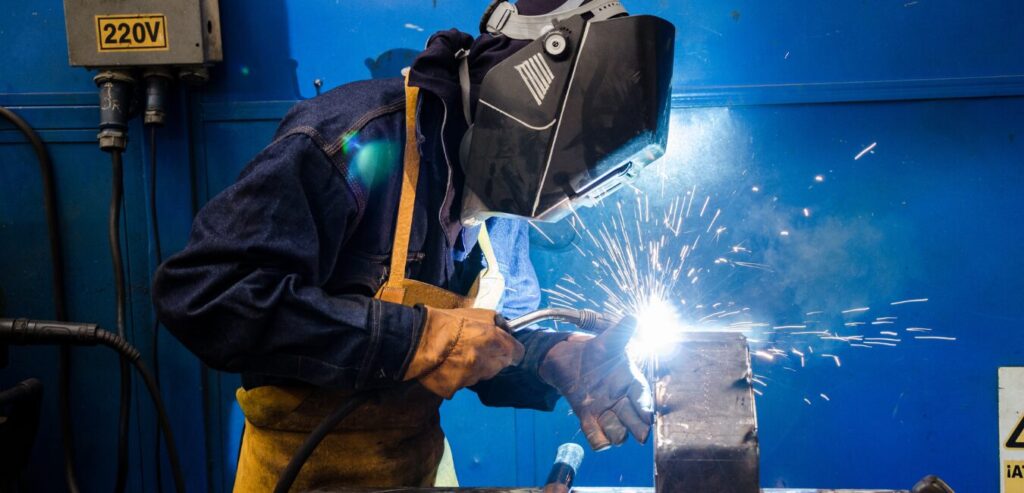
OSHA does not treat welding safety as optional. The standards under 29 CFR 1910 Subpart Q spell out exactly what a commercial welding shop must do to protect workers from fumes, burns, electric shock, and fire. If your shop welds, cuts, or brazes, these OSHA welding safety requirements apply to you. Inspectors enforce them, and…
Read More