
Nitrogen Purging Guide: Why Welders Flush Pipe Before They Weld It
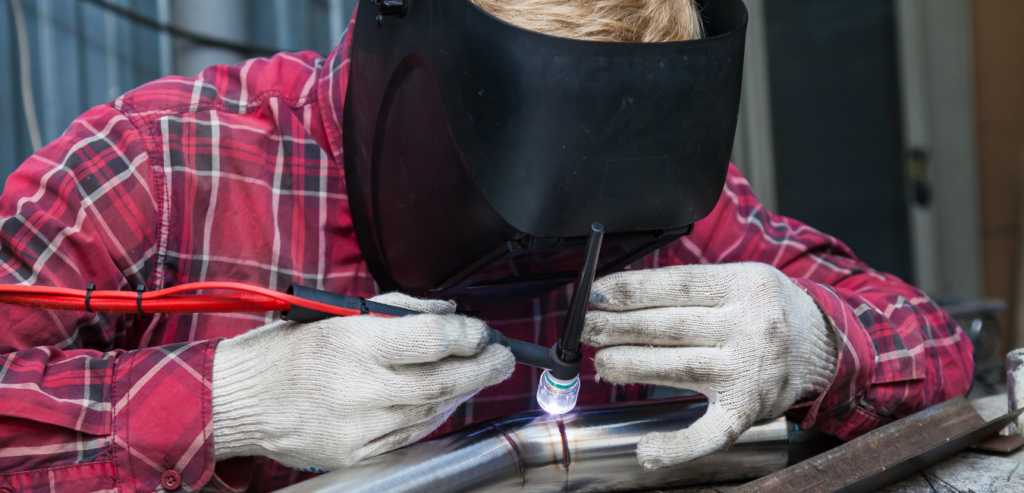
Nitrogen purging keeps the back side of a pipe weld clean while you work the front. Without it, oxygen reacts with hot metal inside the joint and forms a layer of oxidation called sugaring. That buildup weakens the root, looks rough, and can cause a weld to fail inspection. A simple purge before striking an arc prevents all of it.
What Nitrogen Purging Does Inside a Pipe Joint
When you TIG weld a pipe, the shielding gas from your torch covers the top of the puddle. But the inside of the pipe sits open to the air. Oxygen hits the root pass at full temperature and forms dark, brittle scale.
Nitrogen purging fills the pipe interior with an inert gas that pushes oxygen out. Once the oxygen level drops low enough, typically below one percent, the root stays bright and clean as you weld. The result is a root pass that matches the face side of the joint instead of a discolored mess that needs grinding.
Nitrogen works for this because it does not react with steel at welding temperatures, it is widely available, and it costs less than argon per cubic foot. Most pipe shops keep nitrogen cylinders on hand for exactly this purpose.
When Your Pipe Joint Needs a Purge
Not every weld needs nitrogen purging. Carbon steel pipe welded with stick or flux core often skips it because the process already accounts for some root oxidation. But certain materials and codes make a nitrogen purge welding pipe setup mandatory.
The most common reason welders ask why they purge pipe with nitrogen before welding is stainless steel. Stainless loses its corrosion resistance when the root oxidizes. That sugaring is not cosmetic. It creates weak spots where the pipe corrodes from the inside out, sometimes within months.
Other materials that call for a nitrogen purge welding pipe procedure include chromoly, Inconel, titanium, and duplex stainless. Any alloy where the weld spec requires an oxide-free root needs a purge before the first arc.
If the pipe carries food-grade product, pharmaceutical fluids, or high-purity gas, the requirement gets stricter. Some specs call for oxygen levels below half a percent before welding starts.
How to Set Up a Nitrogen Purge
Setting up a purge is straightforward once you have the right equipment. Here is what you need:
- A nitrogen cylinder with a regulator and flowmeter
- Purge dams or inflatable bladders sized to the pipe ID
- Tape or plugs to seal open branches
- An oxygen analyzer if the spec requires a verified reading
The basic steps:
- Insert purge dams on both sides of the weld joint, far enough from the bevel to create a sealed volume around the root area.
- Connect the nitrogen line to the inlet fitting on one dam.
- Open the nitrogen and set the flow rate. For pipe between 2 and 6 inches, 10 to 20 cfh works for most setups.
- Let the gas flow until the oxygen level drops below the required threshold. This takes a few minutes in most cases.
- Weld the root pass while keeping nitrogen flowing at a lower maintenance rate.
- Remove the dams after the root is complete and the joint has cooled.
Do not blast the gas at high flow rates. Too much pressure inside the pipe can blow through the root and ruin the weld. A steady, low flow is all nitrogen purging requires.
How Much Nitrogen a Pipe Purge Uses
Gas usage depends on pipe diameter, purge zone length, and weld time. Larger pipe takes more gas to displace the air inside. Here is a rough guide:
| Pipe Size (NPS) | Approx. Volume per Foot | Pre-Purge Time at 15 cfh |
|---|---|---|
| 2 in. | 0.2 cf | 1 to 2 min |
| 4 in. | 0.9 cf | 2 to 4 min |
| 6 in. | 2.0 cf | 4 to 6 min |
| 8 in. | 3.5 cf | 6 to 8 min |
These figures assume a sealed zone about two feet long on each side of the joint. Open-ended purges or leaking dams use significantly more gas.
For shops running a nitrogen purge welding pipe setup every day, an 80 or 125 cf cylinder handles several joints before needing a swap. High-volume pipe operations often move to bulk gas delivery to avoid running out mid-shift.
Common Nitrogen Purging Mistakes
A few things go wrong when the setup is rushed.
Too much flow is the most frequent problem. High pressure inside the pipe pushes through the root gap and leaves voids in the weld. Keep flow low once the purge reads below the threshold.
Leaking dams waste gas and prevent oxygen levels from dropping. Check that dams are seated against the pipe wall and that branch connections are capped.
Starting to weld before the purge is ready defeats the purpose. If you do not have an analyzer, give the nitrogen extra time to displace the air.
Cutting nitrogen flow too early lets oxygen creep back in while the root is still hot. Maintain a low flow until the root pass cools below discoloration temperature.
Getting Nitrogen for Pipe Work in the Hudson Valley
CryoWeld stocks nitrogen cylinders from small portables to full-size tanks at both locations. Whether you need a single cylinder for a one-off stainless pipe job or regular supply for daily production, our counter staff can match you to the right size and regulator setup.
We serve pipe welders, fabricators, and contractors across Dutchess, Ulster, Orange, Putnam, and Columbia counties. Call our Poughkeepsie team at (845) 473-3357 or Lake Katrine at (845) 336-8680, weekdays 8 to 5. Or visit cryoweld.com.
Frequently Asked Questions
Can I use argon instead of nitrogen for purging?
Yes. Argon works as a purge gas and is the standard choice for titanium and some high-purity specs. Nitrogen costs less per cubic foot and handles most stainless steel and chromoly pipe. Check your welding procedure specification to see which gas is required.
How do I know when the purge is ready?
An oxygen analyzer gives you a direct reading. For most structural and process pipe, the spec calls for oxygen below one percent. Food-grade and pharmaceutical pipe may require below half a percent. Without an analyzer, purge for at least five volume changes before welding.
Does nitrogen purging work on tube as well as pipe?
Yes. The process is the same. Smaller tube sizes need less gas and shorter pre-purge times. Inflatable silicone dams sized to the tube ID keep the purge zone tight and reduce waste.
What flow rate should I set for a pipe purge?
Start between 10 and 20 cfh for pipe in the 2 to 6 inch range. Once the purge is established and you are welding, drop the flow to 5 to 10 cfh. The goal is positive pressure without blowing through the root.
How long does a nitrogen cylinder last when purging?
An 80 cf cylinder at 15 cfh gives roughly 5.3 hours of continuous flow. Purge time per joint is measured in minutes, so a single 80 cf cylinder covers a full day of nitrogen purge welding pipe work for most shops.