
Flashback Arrestor Guide: What It Is and Which One You Need
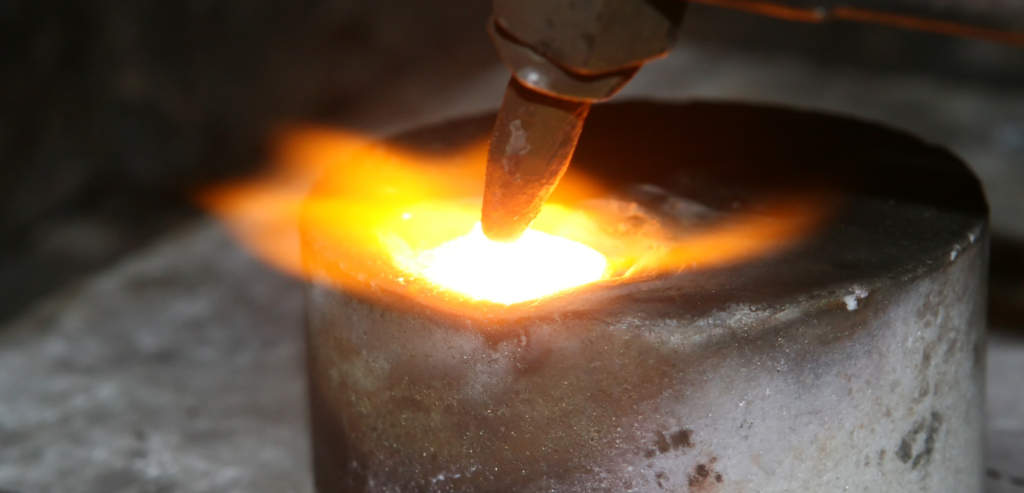
A flashback arrestor is a safety device that stops flame from burning backward through your oxy-fuel equipment. Without one, a flashback can travel from the torch tip through the hoses, into the regulators, and reach the gas cylinders. The result ranges from a scorched hose to an explosion. Every oxy-fuel rig should have arrestors at both the torch inlets and the regulator outlets.
What Causes a Flashback in Oxy-Fuel Equipment
A flashback happens when flame burns upstream through the torch and into the gas lines. It usually starts with a backfire, the popping sound you hear when flame gets sucked into the torch head. If oxygen pressure runs too high relative to the fuel gas, or if the tip sits too close to the work, the flame starves and reverses direction.
Several conditions raise the risk:
- Worn or damaged torch tips and mixing chambers
- Operating acetylene above 15 psi, where it becomes unstable
- Lighting the torch with both gas valves open instead of fuel gas only
- Low cylinder pressure on either the oxygen or fuel gas side
- Failing to purge hoses before ignition
Once a backfire turns into a flashback, the flame can travel the full length of the hose in seconds. If it reaches a regulator or cylinder without anything in its path, the damage can be severe. A flashback arrestor torch mount is the first line of defense because it sits closest to where most flashbacks start. A second arrestor at the regulator catches anything that gets past the torch.
Flashback Arrestor Regulator vs Torch: Where to Mount
Both mounting positions serve a different purpose, and most safety guidelines call for arrestors at both locations on each gas line.
A flashback arrestor torch mount threads onto the torch inlet, right where the hose connects. It stops flame as close to the source as possible. Torch-mounted units include a non-return valve that prevents reverse gas flow and a sintered flame filter that physically blocks the flame front.
A regulator-mounted arrestor threads onto the outlet of each regulator. It acts as the last barrier if flame gets past the torch-side unit or starts along the hose from a cut or rupture. Regulator models typically add a thermal cut-off valve. If internal temperature spikes from sustained burning, that valve shuts off gas flow in both directions.
When deciding on a flashback arrestor regulator vs. torch configuration, the answer for any working oxy-fuel rig is both. One at each regulator outlet and one at each torch inlet covers both the oxygen and fuel gas lines at both ends. That means four arrestors total on a standard two-gas setup.
What to Look for When Buying an Arrestor
Not all units are built the same. A few features separate a reliable arrestor from one that may not hold up when it counts.
The sintered flame filter is the core component. It blocks the flame front from passing through the device. The non-return valve stops reverse gas flow, which keeps fuel gas from migrating into the oxygen line or the other way around. These two features are standard on every properly rated arrestor.
On regulator-mounted units, check for a thermal cut-off valve. Without one, a sustained flashback can overheat the body and cause the arrestor to fail. The thermal valve closes automatically when it senses excess heat.
Flow rating matters too. Every arrestor restricts gas flow to some degree because the gas passes through a filter and valve assembly. Standard units handle light cutting and brazing. If you do heavy cutting, gouging, or heating, you need a medium- or high-flow model that can keep up with the demand of your torch and tip setup.
Buy units rated for the specific gas you run. Oxygen models and fuel gas models use different connection fittings and are not interchangeable.
When to Replace Your Arrestors
Arrestors do not last forever. Replace them immediately after any flashback event, even if they look fine on the outside. Internal components can sustain damage you cannot see, and that damage only matters the next time you need the device to work.
Inspect your arrestors at the start of each shift as part of your oxy-fuel safety check. Look for cracks, corrosion, heat discoloration, and loose fittings. If a unit fails a flow test or shows any sign of heat damage, pull it from service.
Most manufacturers recommend replacing torch-mount and regulator-mount units on a set schedule, typically every one to five years depending on use and conditions. Check your model’s documentation. CryoWeld’s service team can help with equipment inspections and sourcing the right replacement units.
Getting the Right Oxy-Fuel Safety Gear in the Hudson Valley
CryoWeld carries arrestors, check valves, regulators, torches, and oxy-fuel accessories at both locations. If you are setting up a new rig or replacing worn safety devices, our counter staff can match you to the right units based on your gas type, flow requirements, and mounting needs.
We serve welders, fabricators, and contractors across Dutchess, Ulster, Orange, Putnam, Columbia, and Greene counties. Call our Poughkeepsie team at (845) 473-3357 or Lake Katrine at (845) 336-8680, weekdays 8 to 5. Or visit cryoweld.com.
Frequently Asked Questions
Do I need arrestors on both the oxygen and fuel gas lines?
Yes. A flashback can start on either line. Mount one at each torch inlet and one at each regulator outlet for a total of four. That covers both gases at both ends of the hose.
Can I use the same arrestor for oxygen and acetylene?
No. Oxygen and fuel gas models are designed for different gas properties and use different connection fittings. Always match the unit to the gas line it protects.
Will a flashback arrestor torch mount reduce my gas flow?
Every arrestor restricts flow to some degree because gas passes through a filter and valve. Standard models handle light to moderate cutting. For heavy cutting, gouging, or heating, choose a higher-flow rated unit to avoid starving the flame at the tip.
How is a check valve different from an arrestor?
A check valve stops reverse gas flow but does not block flame. An arrestor adds a sintered flame filter that physically stops the flame front. Check valves alone do not protect your equipment from a flashback.
Should I replace arrestors after every flashback event?
Yes. Replace them immediately. Internal components may sustain damage you cannot see from the outside, and continued use means you may have no protection for the next event.