
What Welding Fumes Actually Contain and Which Metals Produce the Most Dangerous Byproducts
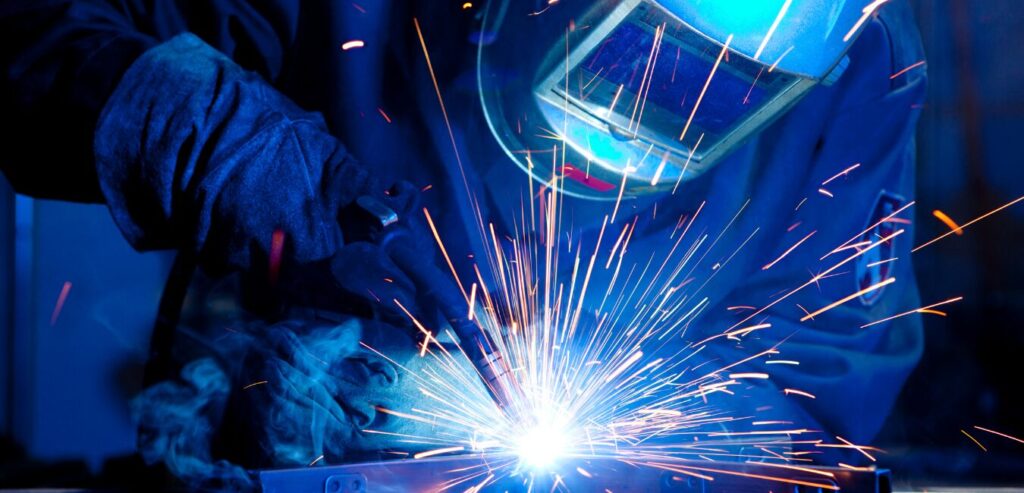
Every welding process produces fumes. The question is not whether you are breathing them but what is in them, because the welding fumes health risks vary enormously depending on the base metal, filler wire, coatings, and process. Welding mild steel produces fumes that are classified as a Group 1 carcinogen. Welding stainless steel adds hexavalent chromium. Welding galvanized steel adds zinc. Each metal brings its own set of toxic metals in welding fumes, and knowing what you are breathing is the first step toward protecting yourself.
This post breaks down what is in welding smoke by metal type, ranks the most dangerous byproducts, and explains why the material on your bench matters as much as the process you run.
What Is in Welding Smoke
Welding fumes are a complex mix of fine metal oxide particles, gases, and vapor generated when metals are heated above their boiling point. The particles are small enough to reach deep into the lungs. Here is what is in welding smoke at a basic level:
| Component | Source | Health Concern |
|---|---|---|
| Iron oxide | Steel base metal | Siderosis (lung deposits), minor respiratory irritation |
| Manganese | Steel, filler wire | Nervous system damage, manganism |
| Hexavalent chromium (Cr VI) | Stainless steel | Lung cancer, nasal cancer |
| Nickel | Stainless steel, nickel alloys | Lung cancer, dermatitis |
| Zinc oxide | Galvanized coatings | Metal fume fever |
| Lead | Lead-coated or painted surfaces | Nervous system damage, organ damage |
| Cadmium | Plated surfaces, brazing alloys | Lung damage, kidney damage, cancer |
| Ozone | Generated by UV arc, especially TIG | Lung irritation, chest tightness |
| Nitrogen oxides | High-temperature arc reaction | Lung irritation, pulmonary edema |
| Carbon monoxide | CO2 shielding gas decomposition | Headaches, dizziness, asphyxiation risk |
This table shows why welding fumes hazards cannot be treated as a single category. The specific toxic metals in welding fumes depend entirely on what you are welding. A mild steel MIG job in a ventilated shop is a very different risk profile than grinding and welding on painted, galvanized, or stainless material in a confined space.
The Most Dangerous Metals to Weld
Not all metals create equal welding fumes health risks. Here are the ones that produce the most dangerous welding fumes, ranked by severity.
Stainless Steel: Hexavalent Chromium and Nickel
Stainless steel tops the list. When welded, the chromium in stainless converts to hexavalent chromium (Cr VI), a confirmed human carcinogen. OSHA sets the permissible exposure limit at just 5 micrograms per cubic meter, which is a thousand times lower than the general welding fume limit of 5 milligrams per cubic meter.
Nickel fume from stainless welding adds a second cancer risk. Between hexavalent chromium and nickel, stainless welding produces the most dangerous welding fumes of any common shop metal. Local exhaust ventilation directly at the arc is mandatory, not optional.
Galvanized Steel: Zinc Oxide
Welding galvanized steel burns off the zinc coating and produces zinc oxide fumes. Inhaling zinc oxide causes metal fume fever: chills, fever, nausea, and body aches that hit 4 to 8 hours after exposure. It usually clears within 48 hours, but repeated episodes may cause long-term respiratory damage.
The dangerous welding fumes from galvanized steel are avoidable. Grind the zinc coating off the weld zone before striking an arc.
Cadmium-Plated and Brazed Materials
Cadmium is one of the most toxic metals in welding fumes. It appears on some plated fasteners, bearings, and older hardware. Cadmium fume can cause severe lung damage within hours and is a confirmed carcinogen with long-term kidney effects. The welding fumes health risks from cadmium are extreme enough that OSHA requires airline respirators for any cadmium welding or cutting.
Lead-Painted and Lead-Coated Surfaces
Welding on lead-painted surfaces releases lead fume and dust. Lead accumulates in the body and causes nervous system damage, kidney damage, and reproductive harm. Strip the coating before welding. Never assume old paint is lead-free, especially on structural steel or equipment manufactured before 1978.
Beryllium-Containing Alloys
Beryllium appears in some copper alloys used in non-sparking tools and electrical connectors. It causes chronic beryllium disease (CBD), an incurable lung condition, and is a confirmed carcinogen. Welding beryllium copper requires airline respirators and full containment.
Mild Steel: Not Harmless
Most discussions of dangerous welding fumes focus on exotic metals, but even mild steel fumes are classified as Group 1 carcinogenic by the IARC. The primary welding fumes health risks from mild steel are iron oxide and manganese.
Iron oxide deposits in the lungs cause siderosis. Manganese is the bigger concern. Chronic exposure causes manganism, a neurological condition with symptoms similar to Parkinson’s disease. There is no “safe” metal to weld without ventilation. The most common dangerous welding fumes come from the material you probably weld every day.
How Process Affects Fume Composition
The welding process changes the welding fumes hazards profile:
- Stick welding (SMAW) produces the most fume volume because the flux coating generates additional particles and gases
- Flux core (FCAW) produces high fume volumes, especially self-shielded wire
- MIG (GMAW) produces moderate fume, with composition dependent on the wire and shielding gas
- TIG (GTAW) produces the least particulate fume but generates more ozone from the UV-intense arc
Choosing a lower-fume process when possible is one of the welding fumes hazards controls that OSHA and the HSE recommend before adding ventilation or PPE.
Protecting Yourself
Knowing the welding fumes hazards for your specific metals is only useful if you act on it:
- Use local exhaust ventilation (fume extraction arm, on-torch extraction, or downdraft table) for all indoor welding
- Wear a properly fitted P100 respirator or PAPR when ventilation alone is not sufficient
- Strip coatings (paint, zinc, plating) from the weld zone before welding
- Know your base metal. If you are not sure what is on or in the material, test it before welding
- Use the right welding helmet and keep your head out of the fume plume
Getting Safe at CryoWeld
CryoWeld carries respiratory protection, auto-darkening helmets, flame-resistant clothing and other welding safety equipment from Jackson Safety and Tillman. We also stock the welding machines, torches, and shielding gas that affect fume generation in the first place.
Stop by Poughkeepsie or Lake Katrine in the Hudson Valley. Call Poughkeepsie at (845) 473-3357 or Lake Katrine at (845) 336-8680, weekdays 8 to 5. Or visit cryoweld.com.
FAQs
What harmful chemicals are in welding fumes?
Iron oxide, manganese, hexavalent chromium (from stainless), nickel, zinc oxide (from galvanized), lead, cadmium, ozone, nitrogen oxides, and carbon monoxide. The specific mix depends on the base metal, coatings, filler wire, and welding process.
Is welding fume exposure dangerous long-term?
Yes. The IARC classifies all welding fumes as Group 1 carcinogenic to humans. Long-term exposure is linked to lung cancer, manganism (neurological damage from manganese), kidney damage from cadmium, and chronic respiratory disease. Even mild steel fume carries long-term risk.
Which metals produce the most toxic fumes when welded?
Stainless steel (hexavalent chromium and nickel), galvanized steel (zinc oxide), cadmium-plated surfaces, lead-coated or lead-painted metal, and beryllium copper alloys. Stainless and cadmium carry confirmed cancer risk. Beryllium causes incurable lung disease.
How do you protect yourself from welding fumes?
Use local exhaust ventilation at the arc, wear a P100 respirator or PAPR when ventilation is not enough, strip coatings before welding, know your base metal, and keep your head out of the fume plume. For stainless, cadmium, and beryllium, these controls are mandatory under OSHA standards.
Can welding fumes cause cancer?
Yes. The International Agency for Research on Cancer classifies welding fumes as Group 1 carcinogenic. Hexavalent chromium from stainless welding and nickel fume are the most potent cancer risks, but all welding fumes carry a carcinogenic classification regardless of base metal.