
MIG Welding
Argon vs. CO2 vs. Argon/CO2 Blends: Choosing the Right MIG Shielding Gas
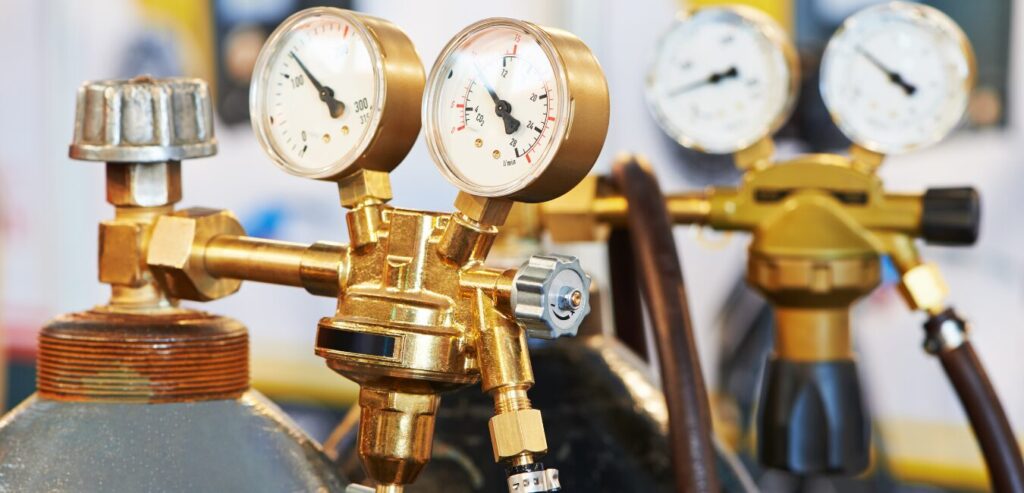
Cryo Weld MIG Welding Shielding gas is not just something you hook up and forget. The gas you push through your MIG nozzle affects arc stability, spatter levels, penetration depth, bead appearance, and how the puddle behaves. Picking the wrong gas gives you problems that no amount of voltage and wire speed adjustment will fix.…
Read MoreWhat Causes Welding Spatter and the Five Adjustments That Reduce It
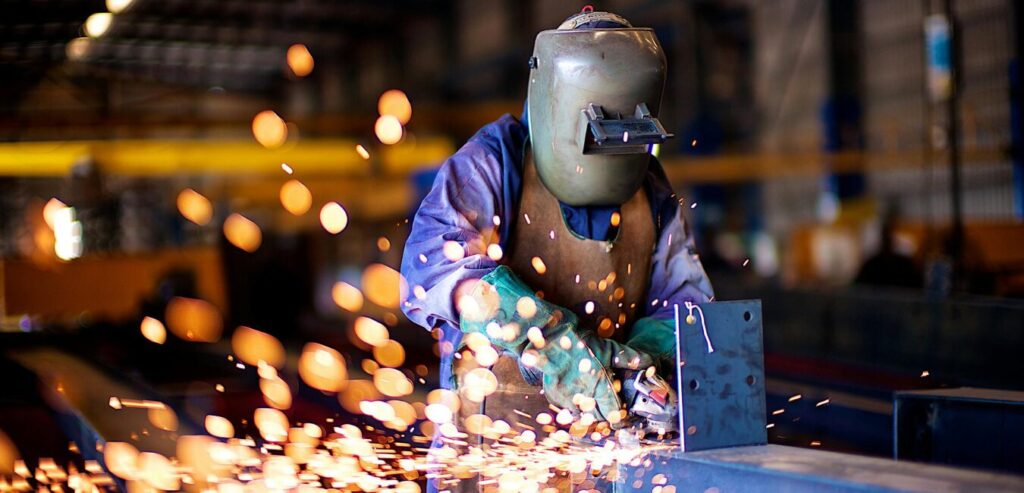
Some spatter is normal in MIG and flux core welding. Small droplets of molten metal fly off the arc and land on the workpiece, the table, and you. But when spatter goes from a light dusting to a constant shower of hot metal, something is wrong with your setup. Understanding what causes welding spatter is…
Read MoreMIG vs Flux Core: Which Process Is Right for Outdoor or Windy Conditions
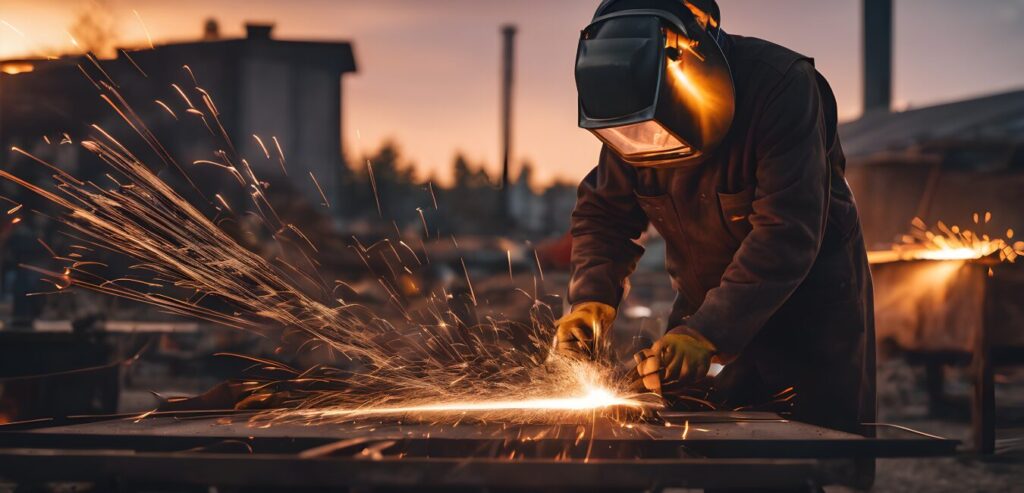
If you have ever tried to run a MIG bead on a construction site and watched the arc sputter and pop the moment a breeze picks up, you already know the problem. MIG welding relies on shielding gas that wind blows away. Flux core does not. That one difference makes the MIG vs flux core…
Read MoreThe Difference Between Stick, MIG, and TIG Welding
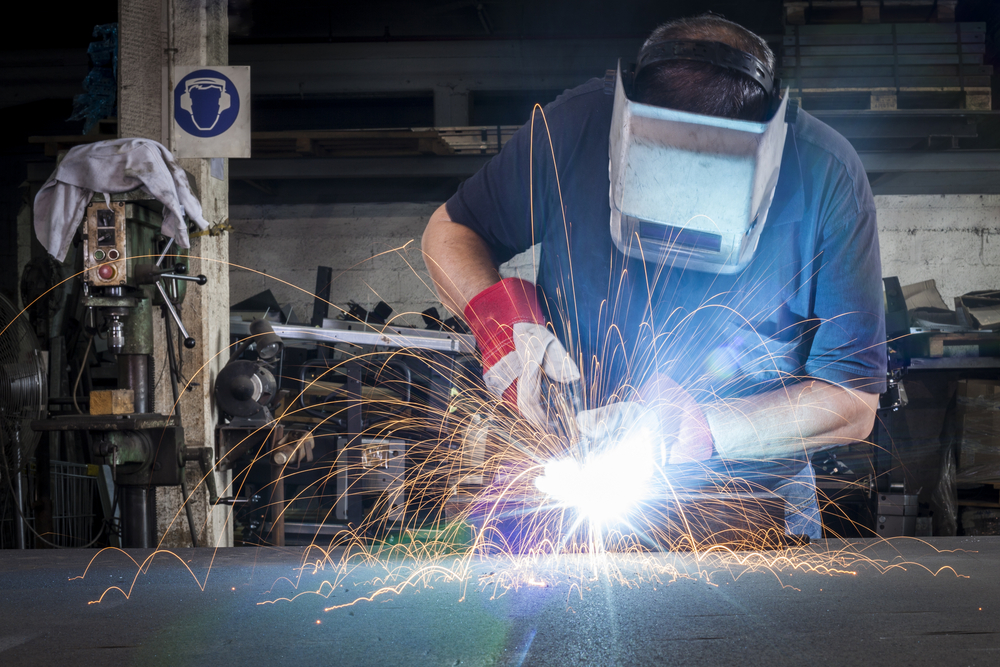
Welding is an art form. It takes patience, skill, technique, and the right equipment to produce a quality weld. And while there are many different welding methods, such as stick welding or TIG welding, there are two primary types of welding: MIG (Metal Inert Gas) and TIG (Tungsten Electrode Gas). Here’s what you need to…
Read More