
TIG Welding
Argon Tank Sizing for TIG Welding: A Buyer’s Guide
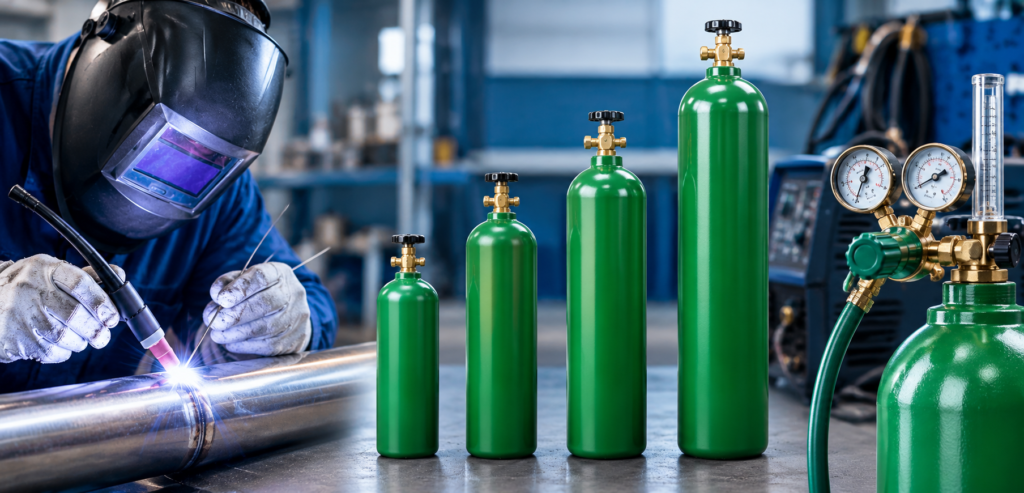
Cryo Weld TIG Welding The most common argon tank sizes for TIG welding are 40, 80, and 125 cubic feet. An 80 cf cylinder works for most shop welders. It holds enough gas for several hours of TIG work without being too heavy to move around the floor. The right size depends on how often…
Read MoreTIG Welding for Beginners: Setup, Settings, and Common Mistakes
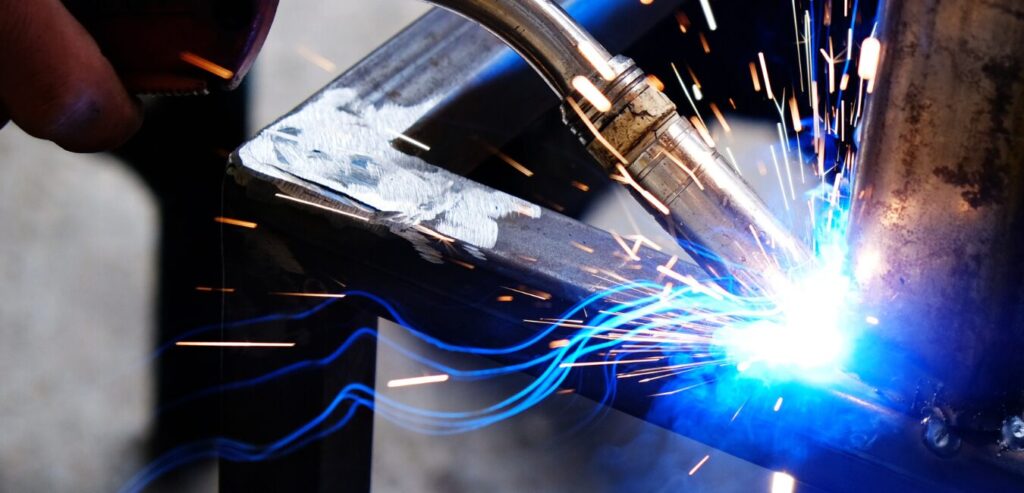
TIG welding produces the cleanest welds of any manual arc process, but only when the setup and settings are right. A wrong tungsten, a bad gas flow, or an amperage setting that is too high for the material will give you contaminated puddles, burn-through, and frustration before you lay your first decent bead. This TIG…
Read MoreTIG Welding Explained for Beginners: The Torch, the Filler Rod, and the Foot Pedal
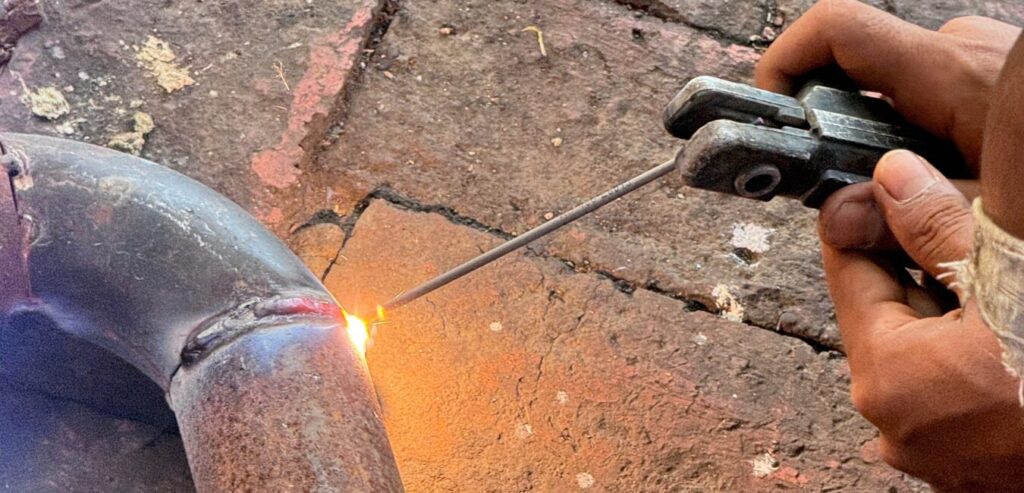
TIG welding has a reputation for being the hardest arc welding process to learn. That reputation is earned. You control the torch angle with one hand, feed a filler rod with the other, and regulate amperage with a foot pedal, all while watching a puddle the size of a pencil eraser. But TIG also produces…
Read MoreThe Difference Between Stick, MIG, and TIG Welding
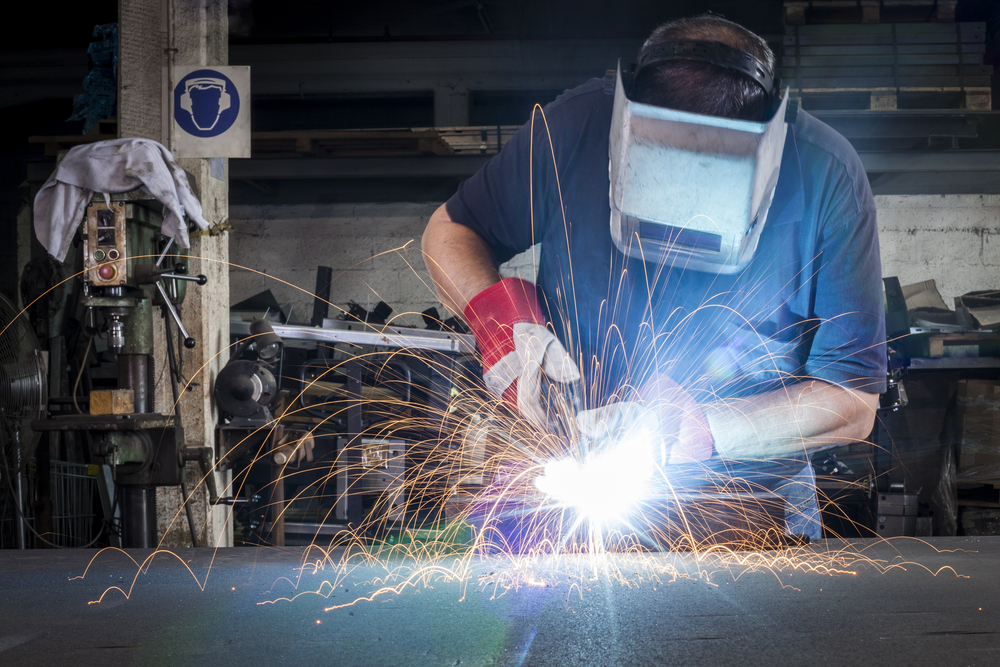
Most welding jobs come down to three processes: stick, MIG, and TIG. Each one works differently, uses different equipment, and is better suited to certain materials and situations. If you are trying to figure out which process fits your work, or which machine to buy, the short answer is that MIG handles the widest range…
Read More