POUGHKEEPSIE (845) 473-3357
LAKE KATRINE (845) 336-8680

Latest News
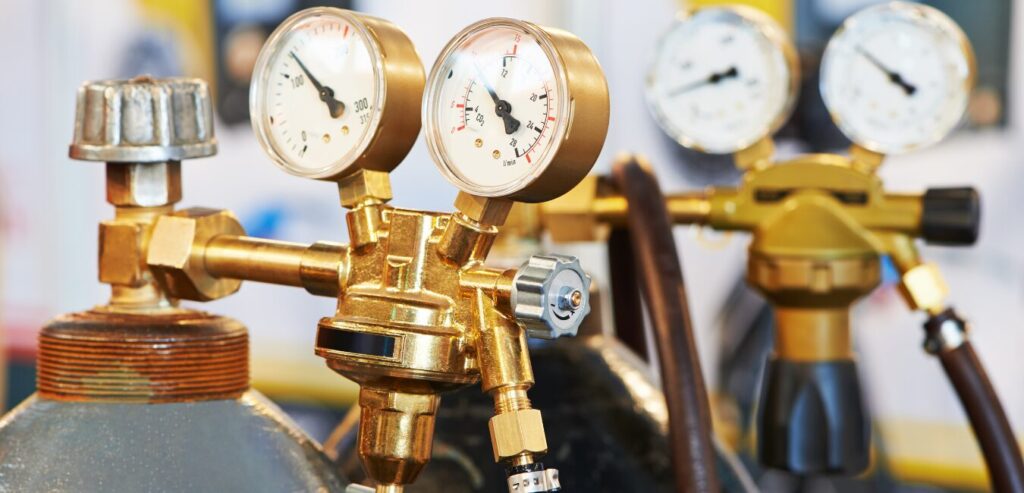
Argon vs. CO2 vs. Argon/CO2 Blends: Choosing the Right MIG Shielding Gas
Shielding gas is not just something you hook up and forget. The gas you push through your MIG nozzle affects arc stability, spatter levels, penetration depth, bead appearance, and how the puddle behaves. Picking the wrong gas gives you problems that no amount of voltage and wire speed adjustment will fix. Understanding the argon vs…
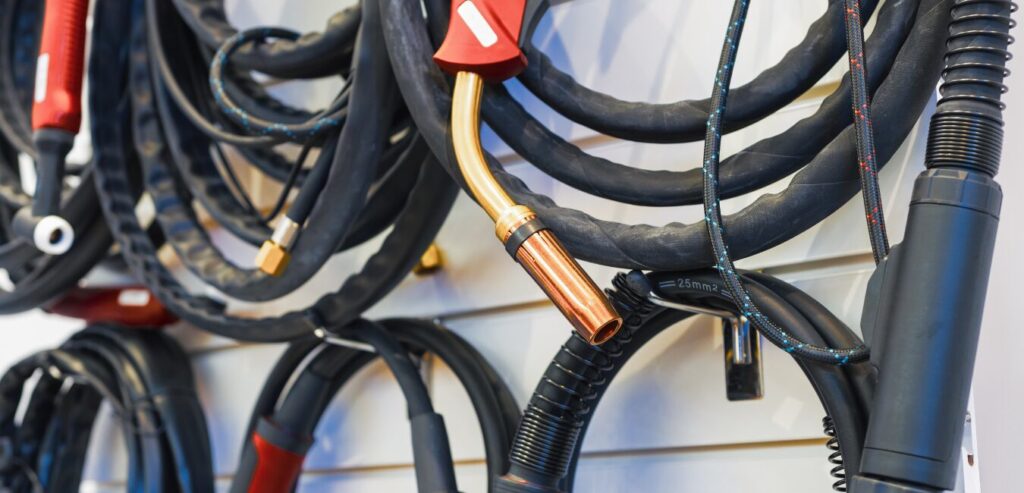
Best Welding Cables and Hoses for Heavy-Duty Shop Use
Cheap cables and hoses are the fastest way to turn a good welding machine into an unreliable one. An undersized cable drops voltage, overheats, and costs you arc quality before it costs you money on a replacement. A wrong-grade hose cracks, leaks gas, and puts your welds and your safety at risk. Picking the best…
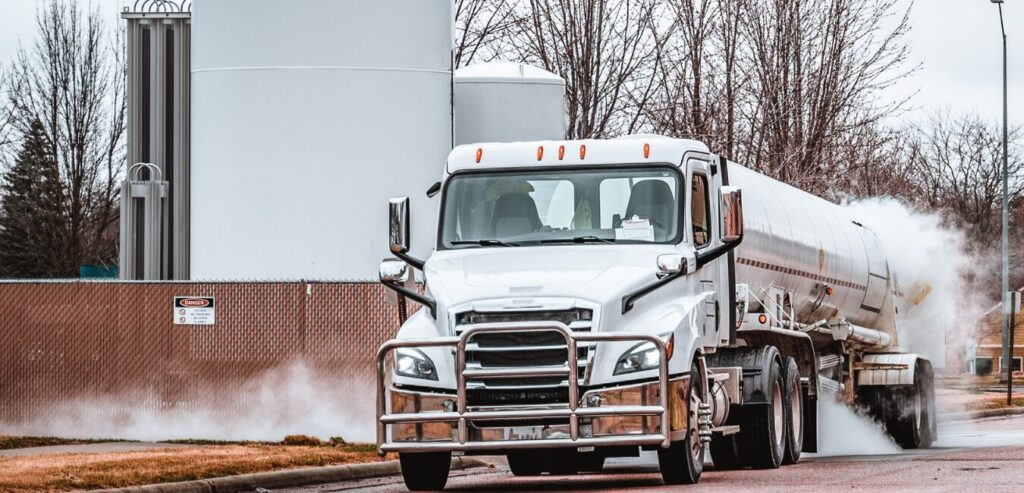
Liquid Nitrogen Delivery in the Hudson Valley: What Businesses Need to Know
If your operation uses nitrogen for welding purge, food processing, medical applications, cryogenic cooling, or tank blanketing, the supply chain behind it matters as much as the gas itself. Running out of nitrogen mid-shift shuts down production. Overpaying per fill because you are on the wrong supply plan costs you money every month. Finding the…
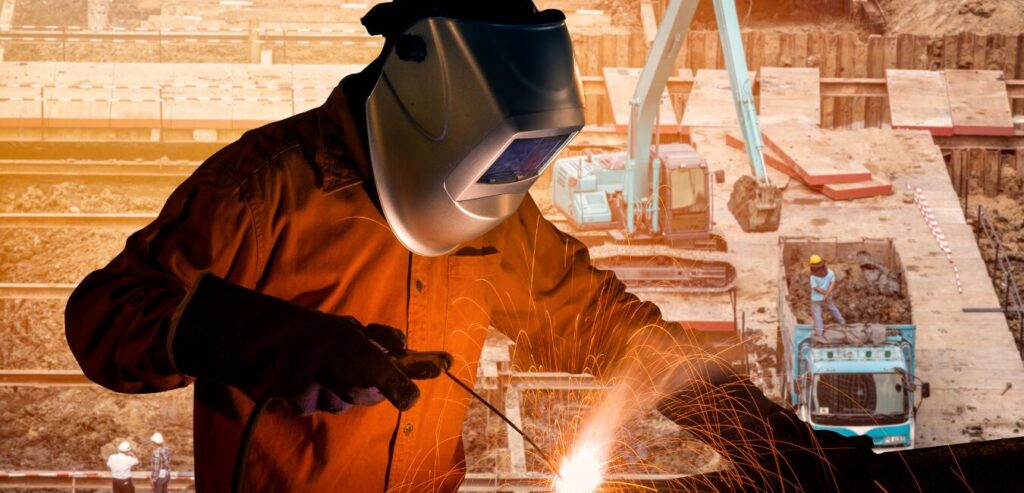
Choosing the Right Welding Machine: Stick vs. Engine-Driven vs. Multi-Process
Buying a welding machine gets complicated when you need to work in places without power, run more than one process, or handle both shop and field jobs from the same truck. The stick vs engine-driven vs multi-process welder comparison is really three different questions: do you need portability, do you need versatility, or do you…
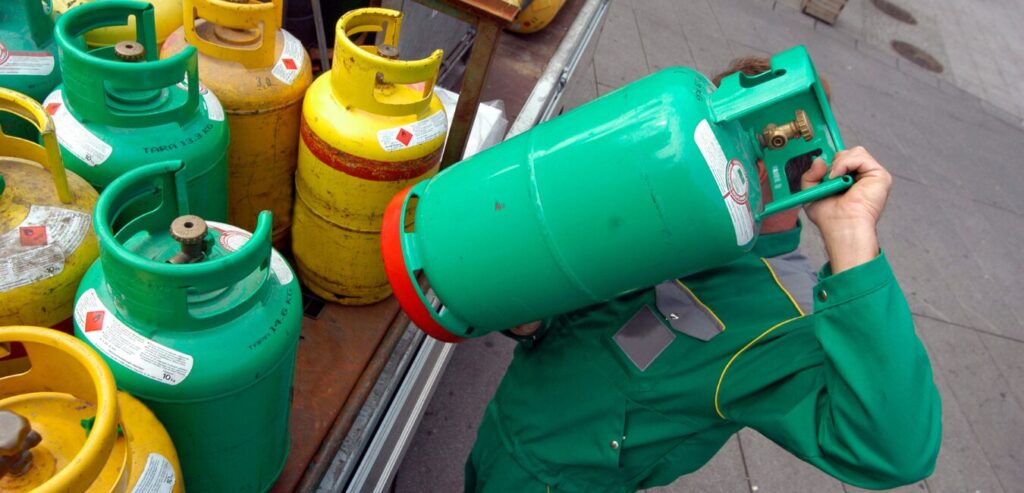
Gas Cylinder Exchange vs. Refill: Which Saves You More?
If you use welding gas, CO2, nitrogen, helium, or any other compressed gas on a regular basis, you have two options for keeping your supply going: exchange your empty cylinder for a full one, or get your own cylinder refilled. The gas cylinder exchange vs refill decision affects your cost per fill, your equipment quality,…
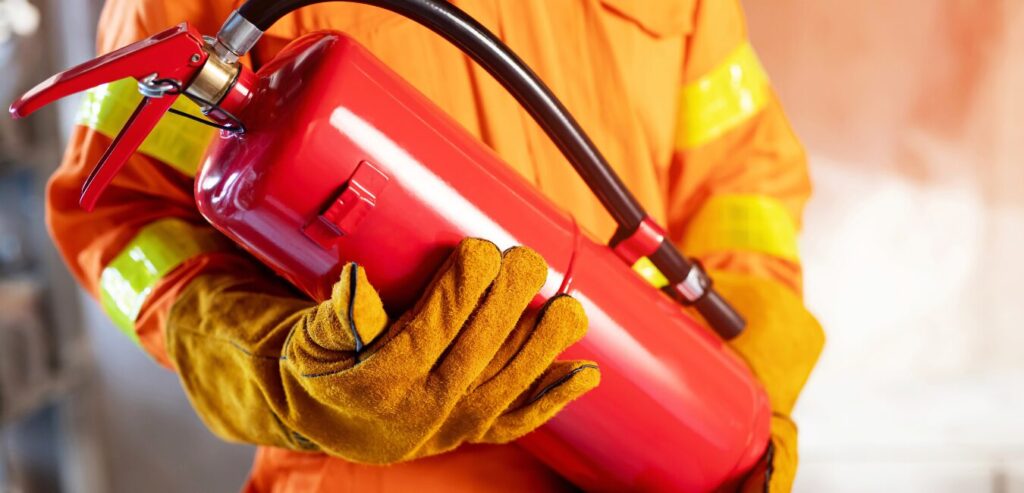
ABC vs. CO2 vs. Class K Fire Extinguishers: How to Choose the Right One
Not every fire extinguisher works on every fire. Using the wrong type can spread a grease fire, damage sensitive electronics, or fail to put out an ordinary combustible fire altogether. If you have ever stood in front of a wall of red cylinders and wondered which fire extinguisher you need, the answer depends on what…
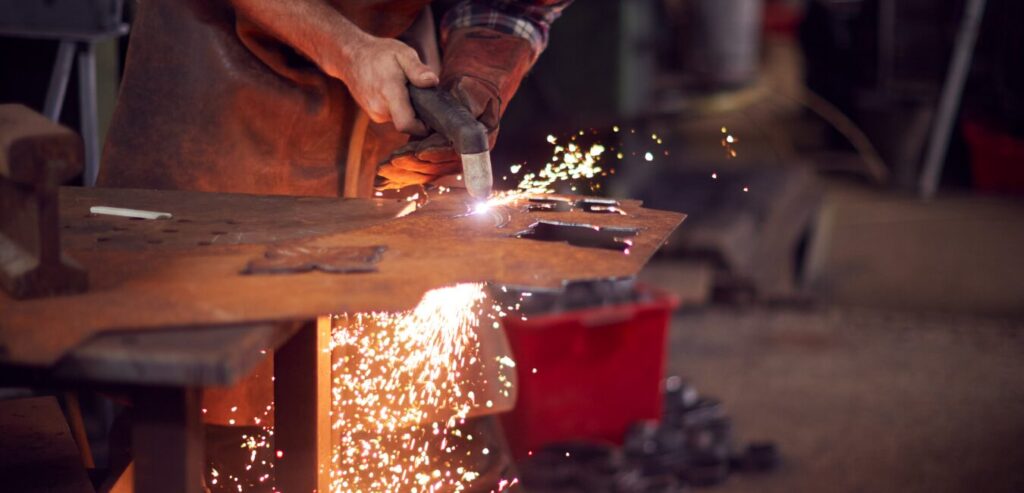
What Is Plasma Cutting and How It Differs from a Cutting Torch
If you cut metal for a living or even occasionally, you have two main options sitting on the shelf: a plasma cutter and an oxy-acetylene cutting torch. Both get through steel. But they work differently, handle different materials, and cost differently to run. Understanding the plasma cutting basics and how they compare to oxy-fuel helps…
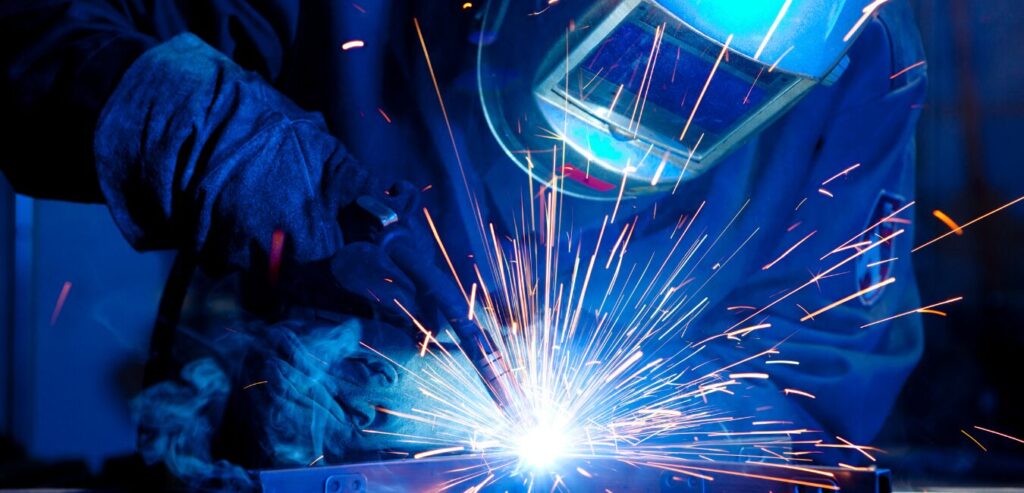
What Welding Fumes Actually Contain and Which Metals Produce the Most Dangerous Byproducts
Every welding process produces fumes. The question is not whether you are breathing them but what is in them, because the welding fumes health risks vary enormously depending on the base metal, filler wire, coatings, and process. Welding mild steel produces fumes that are classified as a Group 1 carcinogen. Welding stainless steel adds hexavalent…
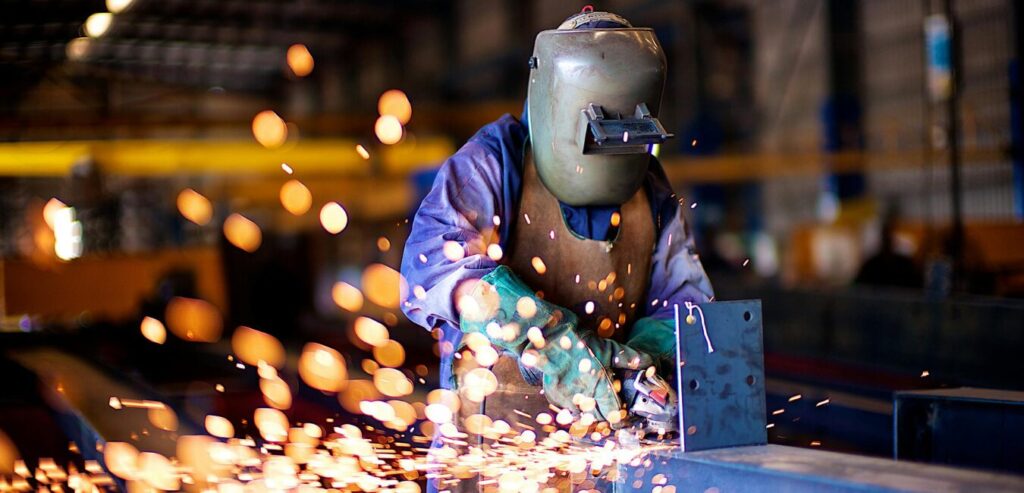
What Causes Welding Spatter and the Five Adjustments That Reduce It
Some spatter is normal in MIG and flux core welding. Small droplets of molten metal fly off the arc and land on the workpiece, the table, and you. But when spatter goes from a light dusting to a constant shower of hot metal, something is wrong with your setup. Understanding what causes welding spatter is…
Copyright © 2026 Cryo Weld Corporation