POUGHKEEPSIE (845) 473-3357
LAKE KATRINE (845) 336-8680

Latest News
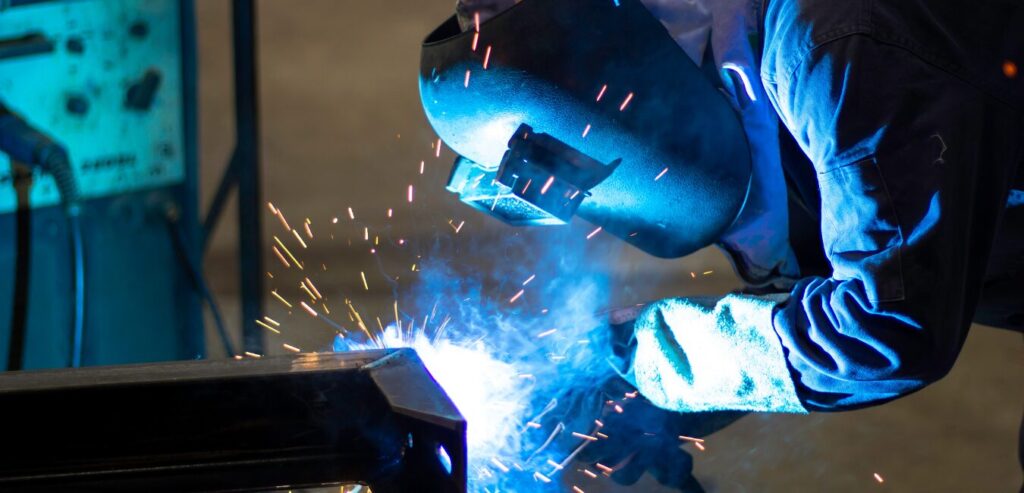
What Is Arc Eye: How Flash Burn Happens and How Long It Takes to Recover
Arc eye is the most common welding injury that does not involve metal. One brief look at an unshielded arc, even from across the shop, can burn the surface of your corneas. The pain does not start immediately. It builds over hours. By midnight after a day of accidental flashes, it can feel like sand…
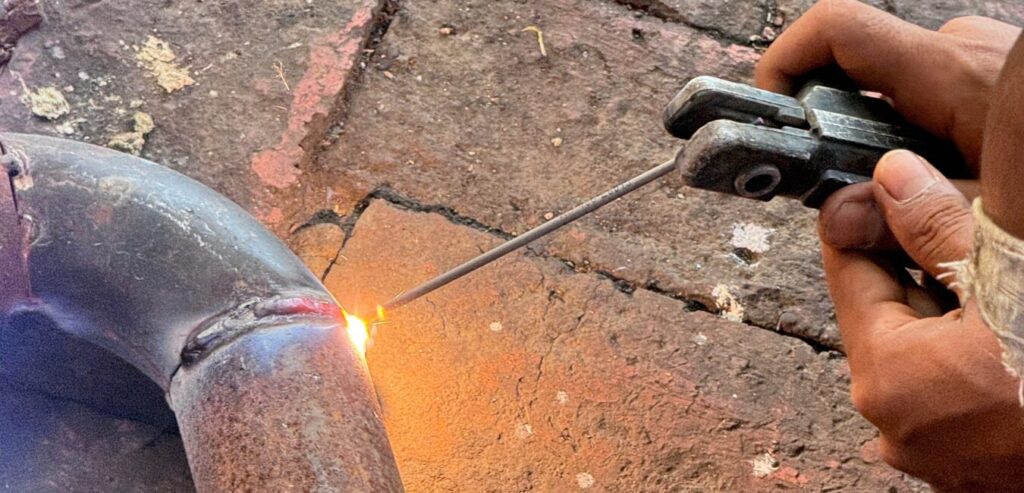
TIG Welding Explained for Beginners: The Torch, the Filler Rod, and the Foot Pedal
TIG welding has a reputation for being the hardest arc welding process to learn. That reputation is earned. You control the torch angle with one hand, feed a filler rod with the other, and regulate amperage with a foot pedal, all while watching a puddle the size of a pencil eraser. But TIG also produces…
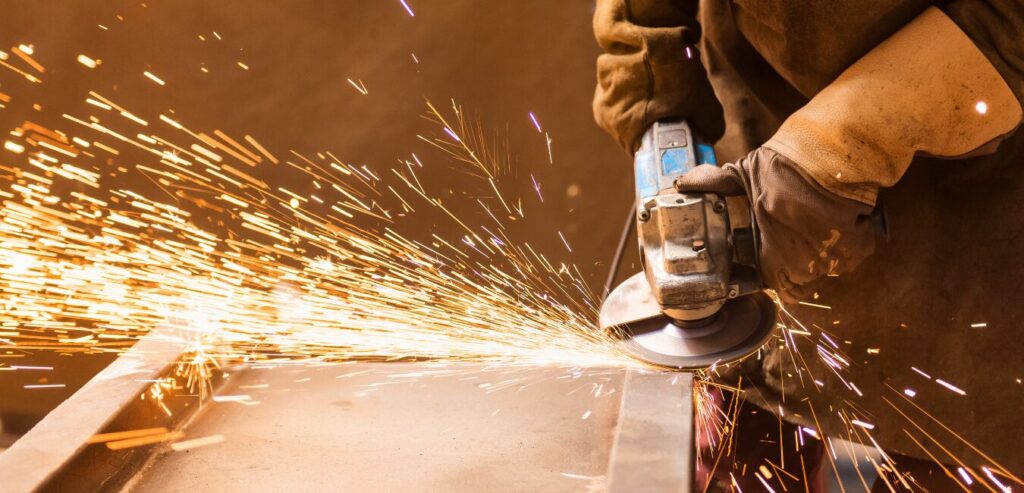
Welding Gloves by Process: Why TIG Gloves and MIG Gloves Are Not Interchangeable
A TIG glove and a MIG glove look similar on the shelf, but they are designed for completely different demands. TIG welding needs finger control to feed a filler rod and manipulate a torch at close range. MIG welding generates more heat and spatter that the glove needs to block. Using a MIG glove for…
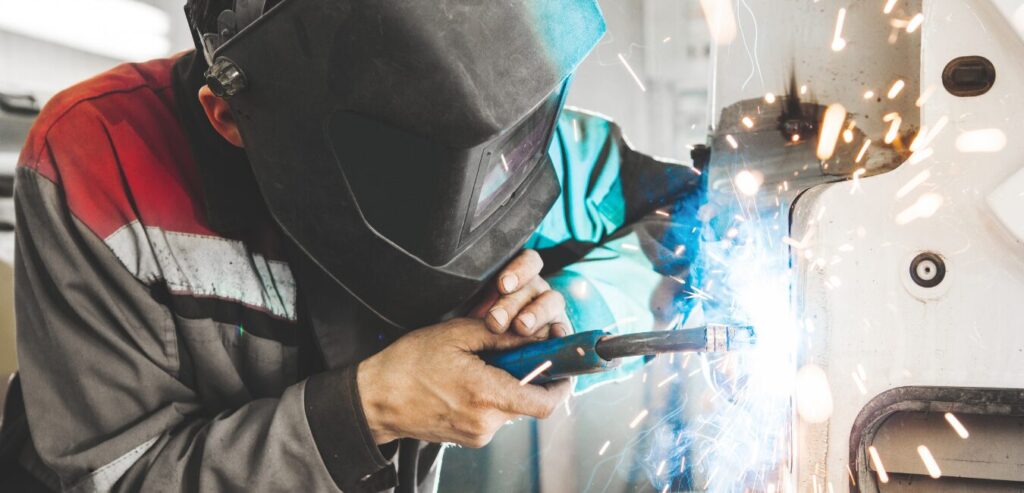
What Is Backstepping in Welding and When to Use It to Control Distortion
If you have ever finished a long weld and watched the metal bow, twist, or pull out of alignment, you have experienced distortion. It happens because metal expands when heated and contracts when cooled, and that expansion is never perfectly even across a joint. The backstepping welding technique is one of the oldest and most…
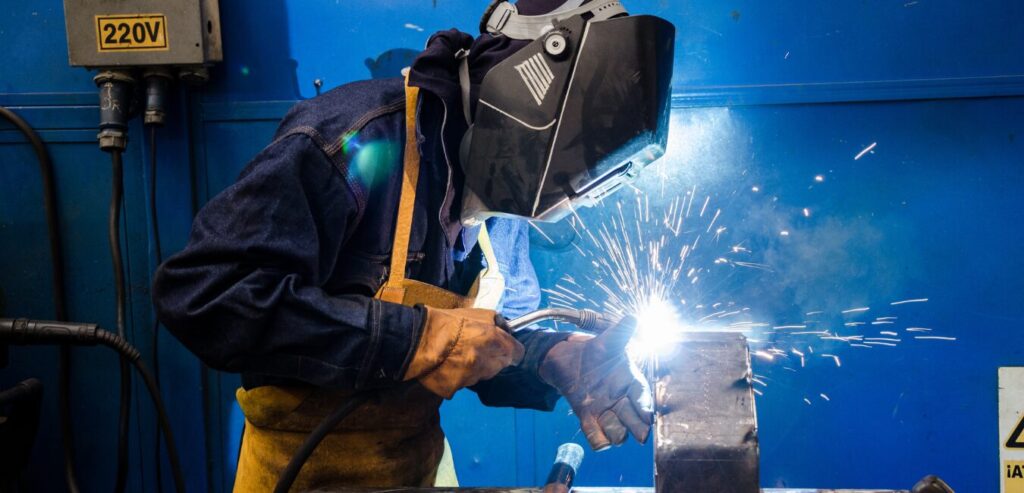
What OSHA Requires for Welding Safety in a Commercial Shop
OSHA does not treat welding safety as optional. The standards under 29 CFR 1910 Subpart Q spell out exactly what a commercial welding shop must do to protect workers from fumes, burns, electric shock, and fire. If your shop welds, cuts, or brazes, these OSHA welding safety requirements apply to you. Inspectors enforce them, and…
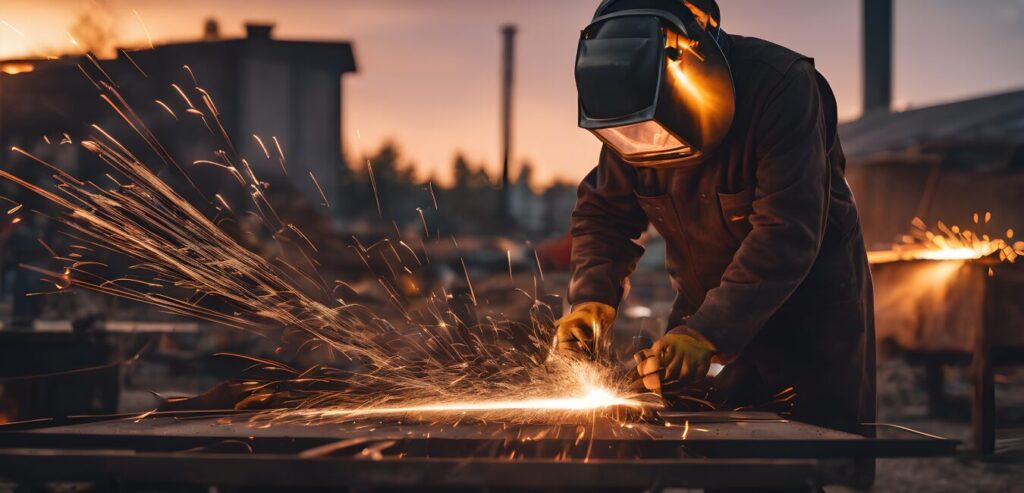
MIG vs Flux Core: Which Process Is Right for Outdoor or Windy Conditions
If you have ever tried to run a MIG bead on a construction site and watched the arc sputter and pop the moment a breeze picks up, you already know the problem. MIG welding relies on shielding gas that wind blows away. Flux core does not. That one difference makes the MIG vs flux core…
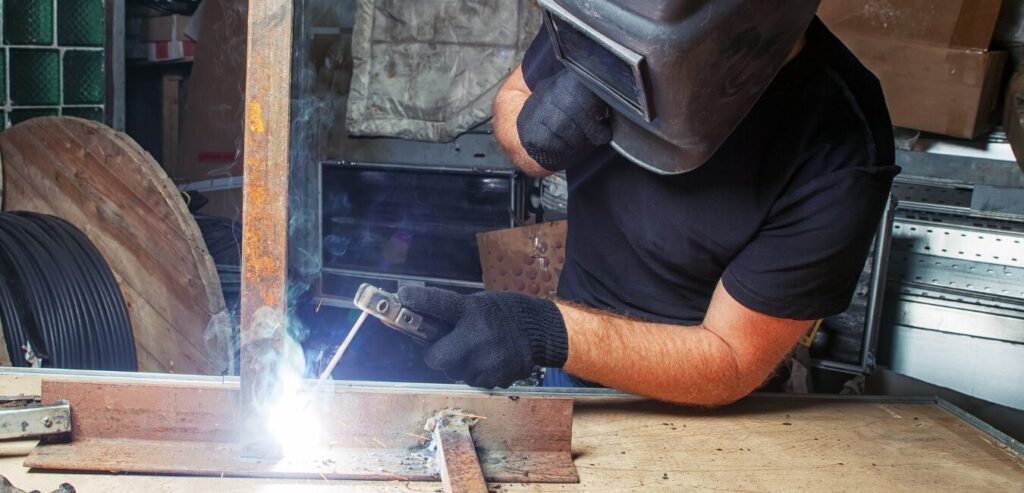
What Is a Duty Cycle on a Welding Machine and Why It Matters More Than Amperage
Most first-time buyers shop for a welding machine by amperage alone. That is like buying a truck based on horsepower while ignoring towing capacity. Amperage tells you how much heat the machine produces. Duty cycle tells you how long it can produce that heat before it shuts down to cool off. This post covers what…
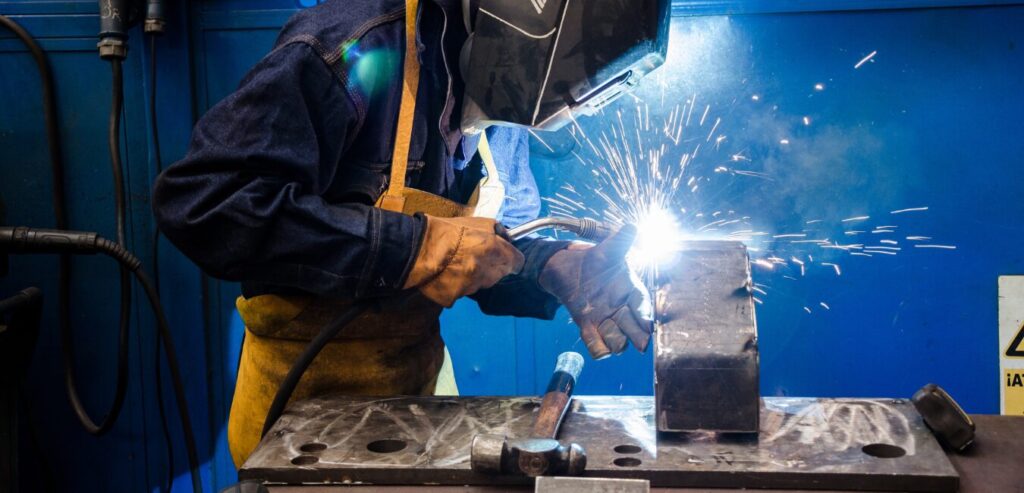
How to Choose a Welding Machine: The Honest Buying Guide for a First Machine
If you are asking what welder should I buy and the internet has given you twelve different answers, here is the honest version: the right machine depends on what you plan to weld, how thick it is, where you will work, and what you are willing to spend. There is no single best welding machine…

How to Read a Welding Symbol: A Plain-Language Guide for Welders
Welding symbols are the shorthand that engineers use to tell welders exactly what to do at each joint on a drawing. If you have ever looked at a fabrication print and felt lost, you are not alone. But learning how to read welding symbols is not as complicated as it looks. Every symbol follows the…
Copyright © 2026 Cryo Weld Corporation